As pet owners, we want the best for our furry friends – and that includes giving them a healthy, happy life while also protecting the planet. The good news is that it’s entirely possible to care for your companion in an environmentally conscious way without compromising on quality or comfort.

The pet industry has grown significantly over the years, but so have its environmental impacts—from plastic-filled toys to non-biodegradable waste products. Fortunately, there are many practical and affordable ways to make sustainable choices that benefit both your pet and the planet. This guide will show you how to do just that.
Why Eco-Friendly Pet Care Matters
The Environmental Impact of Pets
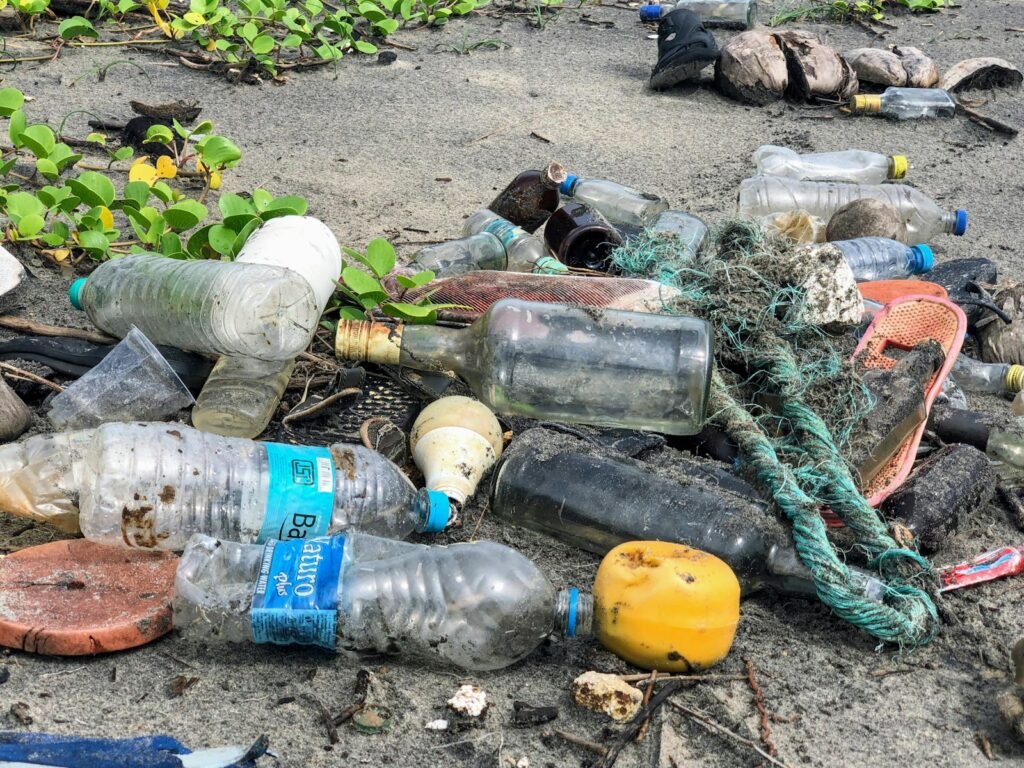
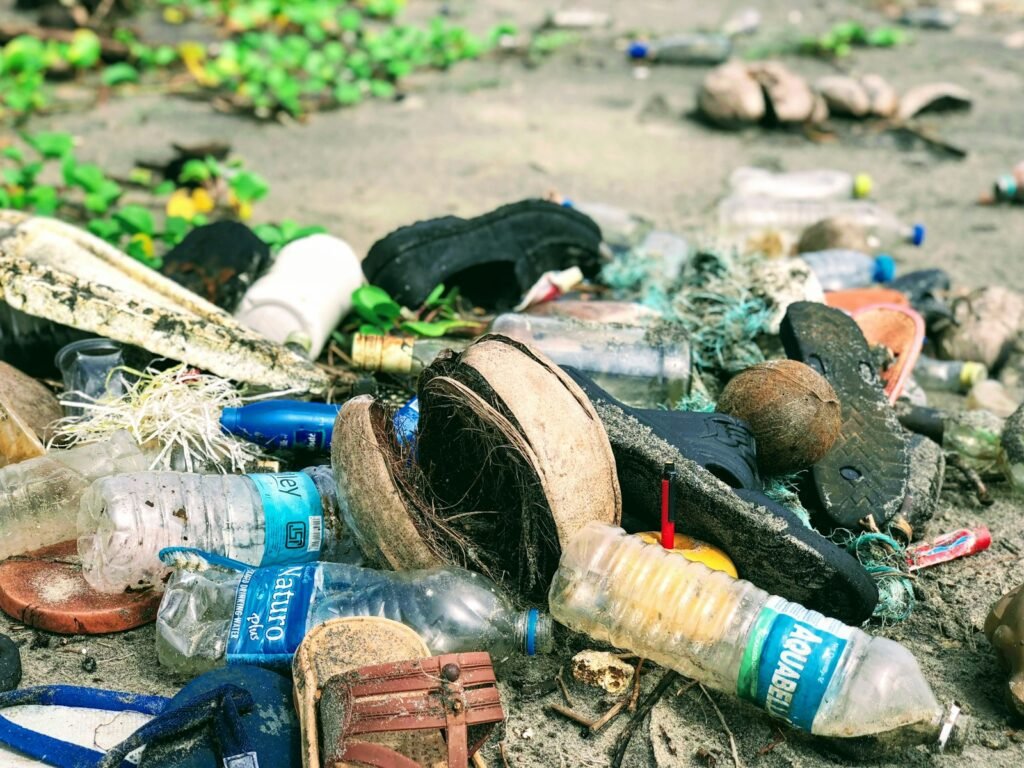
Pets might seem small in size compared to global challenges like deforestation or carbon emissions, but their environmental footprint is surprisingly large. The production of pet food alone contributes significantly to greenhouse gas emissions and land use. Additionally, the amount of plastic waste generated by toys, leashes, beds, and packaging adds up quickly.
Beyond Waste: Ethical Considerations
Sustainability isn’t just about reducing trash—it’s also about supporting ethical practices in sourcing ingredients, manufacturing processes, and labor conditions. Choosing sustainable pet products can help reduce harm to ecosystems and communities around the world.
Sustainable Pet Food Choices
Look for Responsible Brands
When it comes to food, consider brands that use responsibly sourced ingredients and eco-friendly packaging. Many companies now prioritize minimal plastic use by offering compostable bags or recyclable containers. Supporting these businesses helps drive demand toward more sustainable industry practices.
Opt for Local & Organic Ingredients
Local pet foods often have a smaller carbon footprint due to reduced transportation. Organic options are also preferable, as they avoid harmful pesticides and promote soil health. Look for products that clearly state their sourcing and ethical commitments.
Consider Plant-Based Options (When Appropriate)
Some pets can thrive on partially plant-based diets or formulas with lower levels of animal protein. These alternatives often use fewer natural resources in production—like water, land, and feed crops. Just be sure to choose formulations specifically developed for your pet’s species and dietary needs.
Eco-Friendly Pet Products
Toys That Don’t Harm the Planet
Traditional plastic toys can take hundreds of years to decompose—and many end up in oceans or landfills. Instead, look for toys made from sustainable materials like natural rubber, hemp, or organic cotton. These items are biodegradable and often safer for your pet.
Avoid products containing harmful chemicals such as BPA or phthalates, which can be toxic if ingested. Prioritize durability to reduce the frequency of replacements.
Green Beds & Grooming Supplies
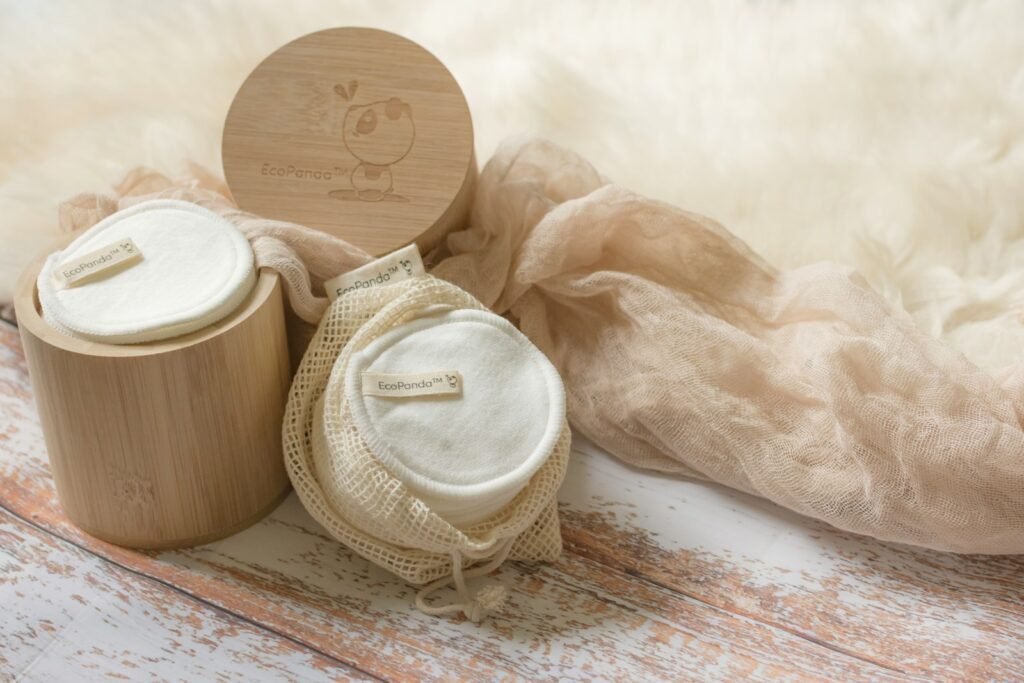
Pet beds made from memory foam come with serious environmental concerns due to their chemical composition and non-biodegradability. Choose alternatives like organic cotton, wool, or bamboo-based bedding. These materials are more sustainable and often softer for your pet’s comfort.
For grooming products, opt for shampoos and conditioners that are free of synthetic fragrances, parabens, and sulfates. Natural ingredients not only protect the environment but also reduce skin irritation in sensitive animals.
Green Waste Management Solutions
Biodegradable Poop Bags Are a Must
Traditional plastic bags used for dog waste rarely break down naturally and often end up in landfills or waterways. Biodegradable poop bags, on the other hand, decompose much faster under proper conditions. Make sure to dispose of them correctly—check local composting rules, as some require industrial facilities.
Eco-Friendly Cat Litter Alternatives
Traditional cat litter is often made from clay that depletes natural resources and requires significant energy for mining and processing. Instead, choose litter made from biodegradable materials such as corn, wheat, or recycled paper. These options are better for the environment and safer if ingested accidentally.
Sustainable Grooming & Healthcare Practices
Natural Grooming Solutions Work Just Fine
Avoid chemical-laden shampoos by choosing natural alternatives that use ingredients like aloe vera, coconut oil, or oatmeal. You can even make your own pet shampoo at home using simple recipes found online.
For flea and tick control, consider organic or essential oil-based treatments—just be sure to consult with your vet first, as some oils are unsafe for certain animals.
Support Ethical Veterinary Care
Many veterinary practices have adopted green initiatives such as paperless records, energy-efficient lighting, and eco-friendly cleaning supplies. When possible, support these clinics by choosing them over others that rely on traditional, high-impact methods.
Eco-Friendly Travel & Playtime Ideas
Bring the Planet Along During Walks
Pack reusable water bottles for your dog to stay hydrated without single-use plastic. For cat owners, use biodegradable treats during interactive play sessions or outdoor exploration (if applicable). Even small habits make a difference.
Create a Green Space for Your Pet at Home
Design an outdoor area using natural and non-toxic plants that won’t harm curious pets. Use recycled materials to build structures like shelters or feeding stations. You can also repurpose old furniture by sanding, painting (with low-VOC paints), and reusing it.
Adopt and Choose Ethically
Adoption Over Purchase
Puppy mills and irresponsible breeders often contribute to environmental waste through overbreeding, plastic packaging in pet supplies, and transport emissions. Adopting from rescues or shelters not only helps a deserving animal but also supports sustainable population management.
Research Brands Before Buying
When shopping for new products, do your homework. Look into the company’s sustainability policies—do they use renewable energy? Do they give back to environmental causes? These details matter and influence how companies operate in the long run.
DIY & Upcycling Ideas That Work
Make Your Own Pet Toys from Reused Materials
Get creative with items you already have at home. An old T-shirt can become a chew toy, cardboard boxes make great scratching surfaces for cats, and jars from food products can be turned into storage bins or feeding stations.
Natural Remedies You Can Make Yourself
Try creating your own pet-friendly remedies using kitchen staples like honey (for minor skin irritations) or apple cider vinegar diluted in water to help with yeast infections. Always check first if these are safe for the specific animal you have at home.
A Greener Future Starts With Your Furry Friend
By making a few thoughtful changes, you can significantly reduce your pet’s carbon pawprint while still providing them with love and care. Every action—whether it’s choosing biodegradable waste bags or supporting eco-conscious brands—adds up to make a meaningful difference.
The key is consistency and awareness. The more we prioritize sustainability in our daily routines, the easier it becomes for future generations of pet owners to follow suit. Your pet may not understand climate change, but they’ll definitely notice you care.