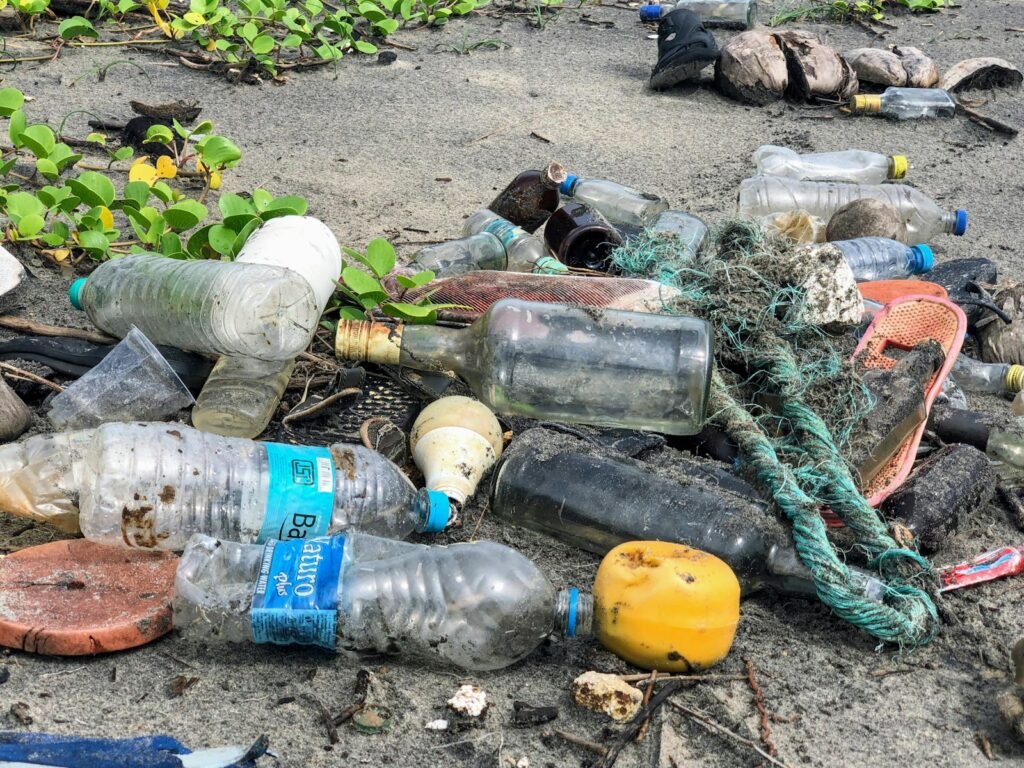
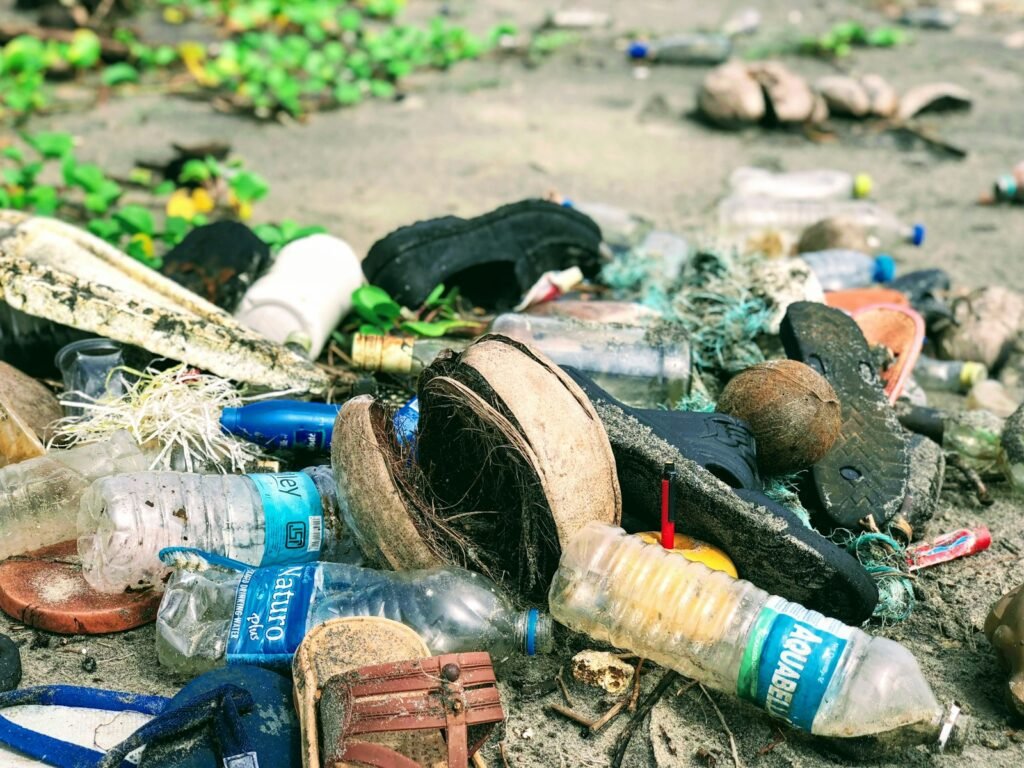
Every year, millions of gifts are wrapped in plastic and shipped around the world – only to end up in landfills weeks after they were given. From excessive packaging to mass-produced, low-quality items that get tossed aside, traditional gift-giving often creates more waste than joy.

The idea of circular gifting offers a thoughtful alternative. It’s not just about choosing eco-friendly products, but rethinking the entire process of giving – from what is given to how it’s received and shared again after.
What Is Circular Gifting?
Circular gifting is rooted in the principles of the circular economy: reducing waste by keeping resources in use for as long as possible. When applied to gift-giving, this means choosing items that can be reused, repaired, or repurposed – rather than consumed and discarded.
This approach also emphasizes no single-use plastic, minimal packaging, and meaningful value over material excess. At its core, circular gifting is about creating a loop of giving and receiving without leaving behind environmental harm.
The Hidden Cost of the Gifts We Give
Packaging Waste
Gifts often come in layers of wrapping – tissue paper with glittery plastic coatings, sealed gift bags, or plastic-wrapped boxes. All these materials are rarely reused, and most end up in landfills after being opened once.
Overconsumption & Throwaway Culture
Many gifts are bought on a whim – not because they’re needed, but because they look good under the tree or in a delivery box. This leads to clutter and waste as unused items get stored away or thrown out entirely.
Carbon Footprint of Global Supply Chains
Most gifts travel far before reaching their destination. The production, shipping, and retail of these goods contribute significantly to greenhouse gas emissions – even for small items like trinkets or books.
Why Circular Gifting Matters
By shifting the way we give and receive, circular gifting helps reduce environmental impact in several key ways:
- Lowers demand for new resources by reusing what already exists.
- Reduces landfill waste from single-use materials and disposable gifts.
- Encourages creativity, intentionality, and deeper connection through thoughtful giving.
It also challenges the assumption that every gift must be brand-new or come in a box – offering more meaningful and lasting alternatives instead.
5 Creative Strategies for Practicing Circular Gifting
1. Choose Secondhand & Vintage Gifts
Secondhand stores, online marketplaces, and community swap events are goldmines for pre-loved gifts that have new meaning waiting to be discovered.
A gently used scarf from a local thrift shop or a vintage record player found at a flea market not only avoids waste but often carries more character than anything in a big box store.
2. Make It Yourself – DIY & Handmade
Handmade gifts are a powerful expression of care and creativity. From knit scarves to homemade jams, these offerings don’t rely on manufacturing or packaging.
DIY items like hand-poured candles, natural body scrubs, or personalized artwork can be wrapped in reusable fabric or recycled paper, keeping the whole process clean from start to finish.
3. Give Experiences Instead of Things
A gift certificate for a cooking class, concert tickets, or yoga session encourages connection and memory-making without contributing to material clutter.
These types of experiences are also often digital – no physical item needed at all. They’re reusable in the sense that they can be shared with others later too.
4. Opt for Reusable & Long-Lasting Items
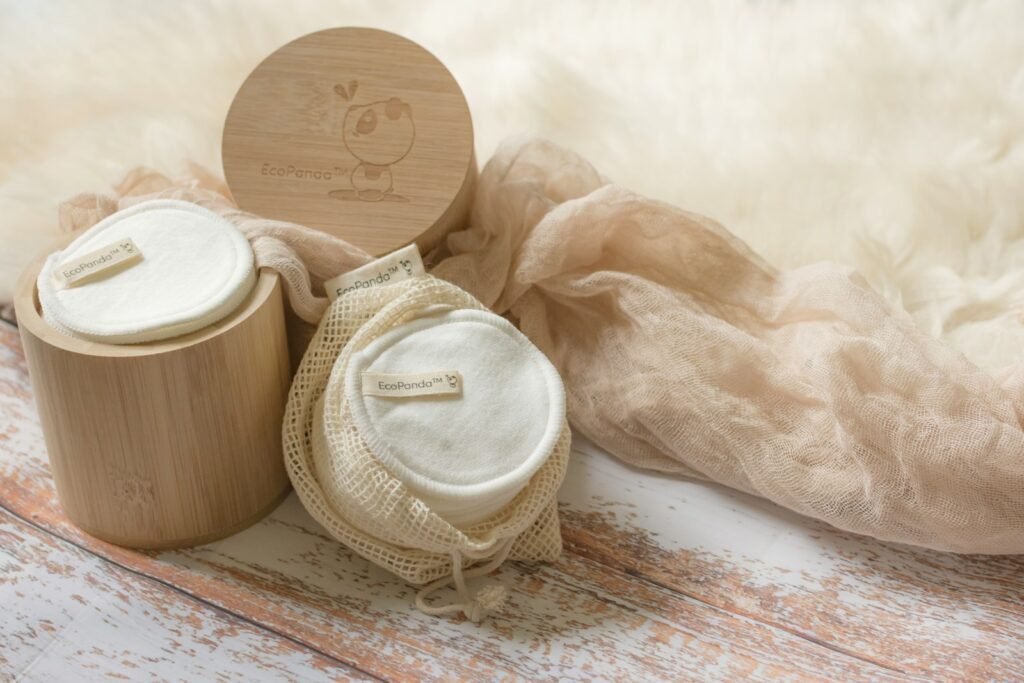
High-quality gifts that serve a purpose over time fit naturally into a circular gifting model. Think sturdy kitchenware, durable clothing from sustainable materials, or tools like solar-powered lanterns and bamboo utensil sets.
These items are often more expensive upfront but have lasting value – making them thoughtful investments in someone’s life rather than quick, throwaway purchases.
5. Start a Gift Swap or Gifting Circle
Organizing a group gifting event with friends, family, or coworkers is an excellent way to reduce overconsumption and encourage creativity.
Everyone brings one carefully chosen gift (or multiple smaller ones) from the list above, then exchanges in a fun and interactive setting – no need for wrapping or shipping involved.
Wrapping It Up: Circular & Beautiful
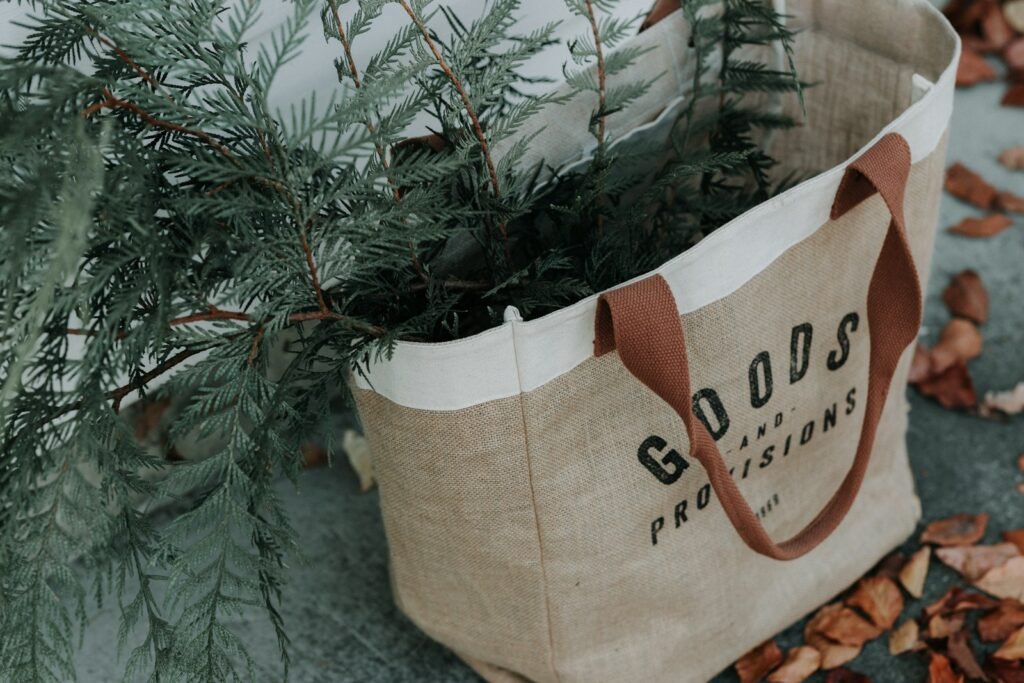
Gift-wrapping itself can be part of the problem. Instead of shiny plastic wrap that’s used once, opt for fabric wraps (like furoshiki), reusable tins or mason jars, or even brown paper with natural twine and leaves as decorations.
Avoid using tags made from throwaway materials – handwritten notes on reused index cards or small pieces of cardboard work just fine. The key is to keep everything reusable, beautiful, and meaningful.
Making Circular Gifting a Habit
The shift toward circular gifting doesn’t need to be complicated. It can start with one thoughtful gift, then grow into an entire tradition.
By focusing on what’s reused, repaired, or repurposed – rather than always buying new – we can make our holidays and celebrations more joyful and sustainable for the planet.
Embrace a New Kind of Giving
Circular gifting is more than just a trend. It’s part of building a world where giving feels good not only in the moment, but long after the gift has been opened.
It encourages us to think about our choices and how they affect others – both people and planet. And that’s a gift everyone can appreciate.