Working remotely isn’t just a lifestyle shift — it’s an opportunity. It gives us space, time, and control over our environment in ways traditional offices rarely offer. But with that freedom comes responsibility. The home office is no longer just for email checks; it’s where we eat, relax, and live.
The challenge? Balancing sustainability without letting “green guilt” take hold — the emotional weight of feeling like you’re not doing enough. This article will show you how to live more sustainably while working from home — in small, practical ways that make a real difference without making you feel overwhelmed or inadequate.
🌱 Why Sustainability Matters When You Work From Home
Remote work isn’t inherently green, but it has the potential to be. By eliminating daily commutes and reducing reliance on corporate office systems, we can cut down on energy use and waste. But what makes this truly powerful is how much control you have over your day-to-day habits.
From the lighting in your workspace to the meals you eat while logged in, every choice adds up. And when sustainability becomes part of a routine — not an all-or-nothing lifestyle overhaul — it’s more sustainable itself: lasting and stress-free.
🚫 Understanding Green Guilt
“Green guilt” is real. It creeps in when we compare ourselves to others or feel we’re falling short against impossible standards. You’ve probably felt it before:
- I use a coffee machine instead of making my own, so I’m not doing enough.
- I can’t live off-grid, so I might as well give up on trying.
These thoughts are traps.
Sustainability is about progress — not perfection. If you’re still reading this article, that means you care. And caring is the first step toward real change. The goal isn’t to be a 100% sustainable worker; it’s to make consistent choices that align with your values and resources.
🛠️ Building an Eco-Friendly Home Office
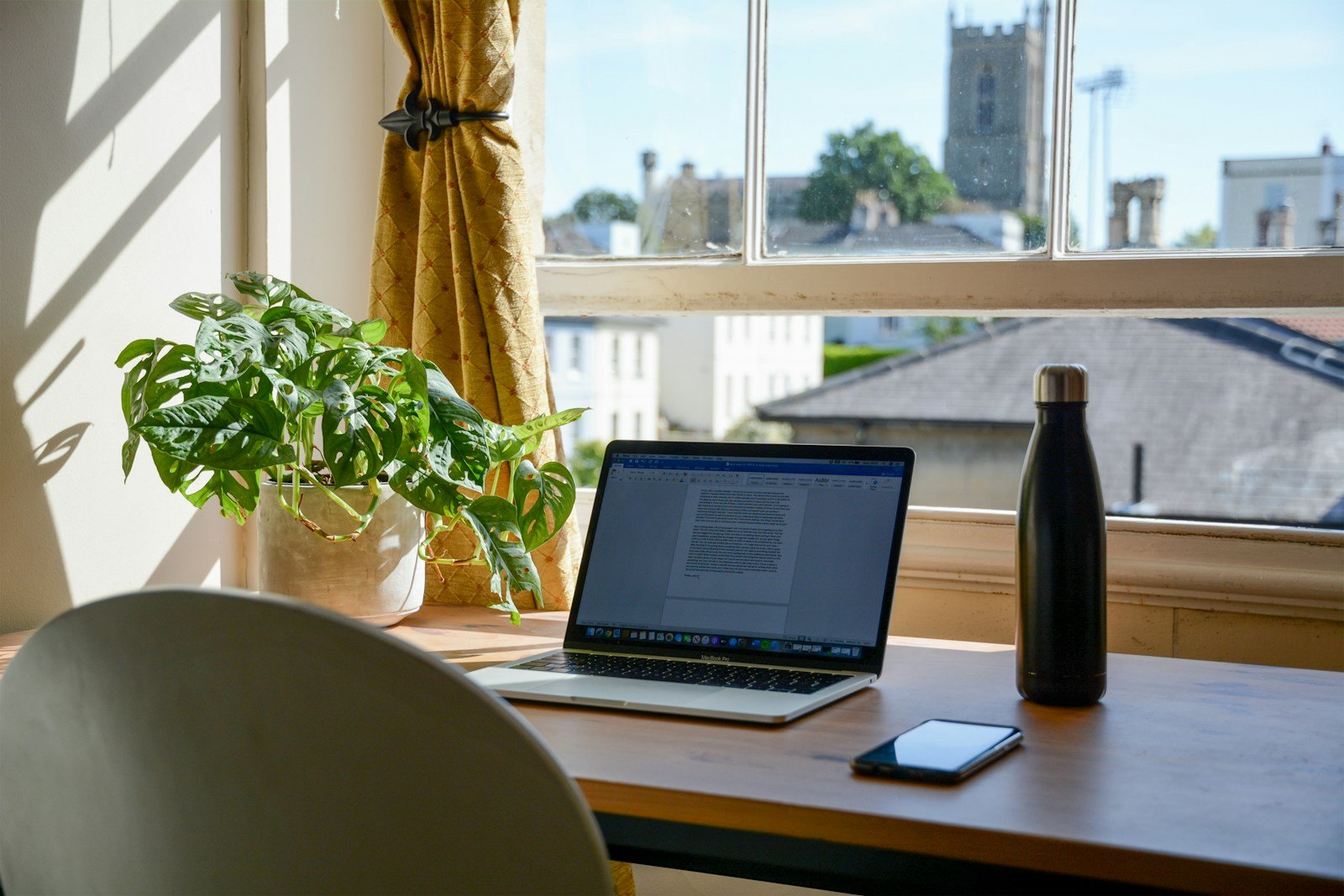
Your workspace doesn’t have to be minimalist or high-tech — but you can build one that supports sustainability both practically and psychologically.
Opt for Energy-Saving Tech
Modern work tools often come with power-saving options. Activate sleep modes, reduce screen brightness, and invest in a smart power strip that cuts off energy to idle devices like printers or external drives when not in use.
LED lighting is another upgrade worth considering — it uses up to 90% less energy than traditional bulbs and lasts years longer.
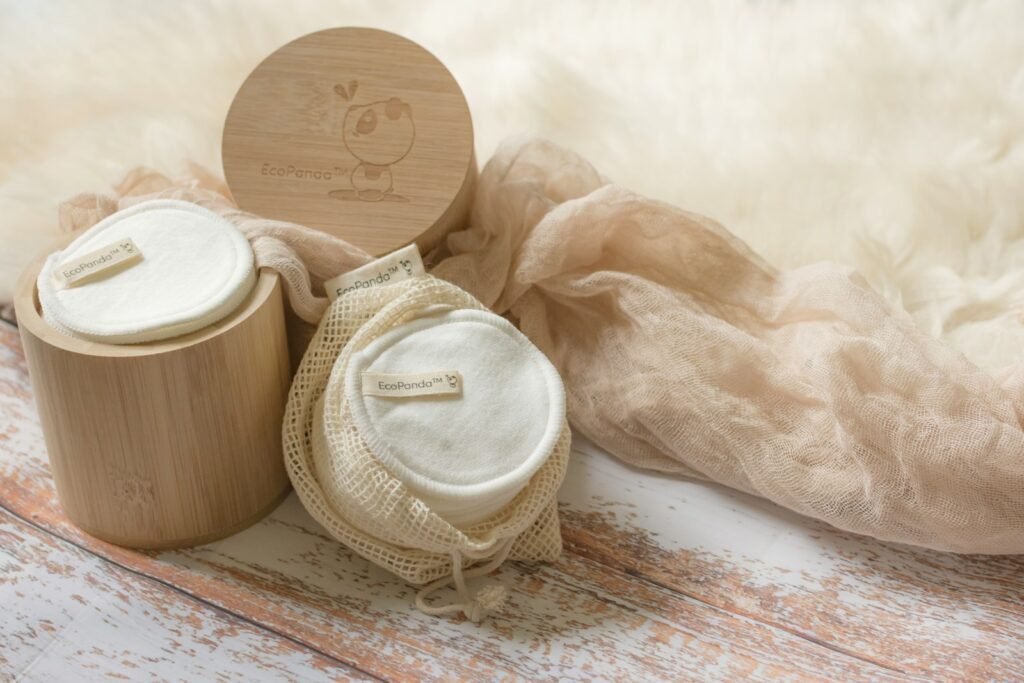
Choose Sustainable Office Supplies
You might be surprised how many eco-friendly alternatives exist for everyday work needs:
- Reusable ink or toner refills instead of disposable cartridges.
- Recycled paper products with high-quality finishes (yes, they exist).
- Notebook covers that can be swapped out rather than buying new notebooks every year.
Go Paperless — With Intention
Digital tools like note-taking apps and cloud-based collaboration reduce physical waste. But don’t go overboard: fewer gadgets aren’t always better. Aim for a balance between convenience and sustainability by minimizing unnecessary tech purchases.
🍱 Sustainable Living Habits That Work Around Your Schedule
You’re not just working from home — you’re living in it, too. Here’s how to incorporate simple, meaningful habits without feeling like your entire life needs to change.
Plan Meals & Stay Waste-Free
Working long hours at home can lead to impulse snacking and leftover waste. Combat this by meal prepping for the week or planning out your snacks ahead of time. Choose reusable containers over plastic bags, and keep a stash of bulk-buyable staples in your kitchen cabinet.
When it comes to coffee or tea — make it at home! A simple mug and kettle go a long way toward reducing disposable cup usage.
Dress for Success (Sustainably)
Your wardrobe can be part of the solution too. Opt for natural fabrics that are durable, breathable, and comfortable all day. These materials often biodegrade better than synthetic ones and don’t release microplastics into water systems during washing.
Wash your work clothes with full loads in cold water when possible — it cuts energy use and helps extend garment life. Air drying is a bonus for both sustainability and fabric longevity.
🧘 Creating Balance Through Sustainable Living
Remote work can blur the lines between personal time and productivity hours. A sustainable lifestyle gives you structure without pressure.
Mindful Breaks That Recharge You
Use your breaks to do something restorative that also supports eco-conscious living:
- Stretch in a sunlit room.
- Tend to houseplants or take 10 minutes to water them.
- Step outside for some fresh air — no need for a full workout, just movement.
Reduce the Need for “Self-Care” Products
Many of us reach for new products when we’re stressed: candles, skincare items, or cleaning sprays. But sustainability doesn’t mean you have to buy more. Try:
- Making your own household cleaners with vinegar and baking soda.
- Turning off screens at night instead of buying a “digital detox” app.
- Using what you already have before upgrading.
🌍 Community & Support Without Comparison
It’s easy to feel alone in the sustainability journey, especially when working from home. But there are ways to stay connected without getting caught up in comparison culture or pressure:
Join Like-Minded Communities
Find local meetups, online groups for remote workers who care about the environment, or social media circles where sustainable living is celebrated — not policed.
These communities can help you:
- Share your progress and small wins.
- Learn new habits without being overwhelmed by perfectionism.
- Stay motivated with shared goals and gentle accountability.
Celebrate Progress Over Perfection
Track what you achieve, not how it compares to others. A reusable coffee cup here or a meat-free day there is valid and impactful — especially when you repeat them over time.
🔄 Making Small Changes Part of Your Routine
The beauty of working from home is that your environment adapts to you. You don’t need a major life overhaul to live more sustainably. Instead, look for ways to integrate eco-conscious choices into the things you’re already doing:
- Turn off lights when they’re not in use.
- Choose walking over driving for short trips.
- Keep your desk clutter-free by using minimal packaging and organizing tools thoughtfully.
By building habits around what feels doable — not what’s ideal — sustainability becomes part of your identity. It stops being something you have to struggle with, and starts becoming the kind of person you are.
🌎 Living Sustainably is a Journey — Not a Destination
You don’t need every choice in your day to be perfectly sustainable for it to matter. What counts most is consistency: showing up each day with an intention to do better than yesterday.
Working from home gives us the chance to live more mindfully and make our workspaces reflect our values. With small, intentional actions — not guilt or pressure — we can build a lifestyle that supports both people and planet.
Start today by choosing just one habit you’ll commit to for the next week. Then, build on it — slowly, steadily, and sustainably.