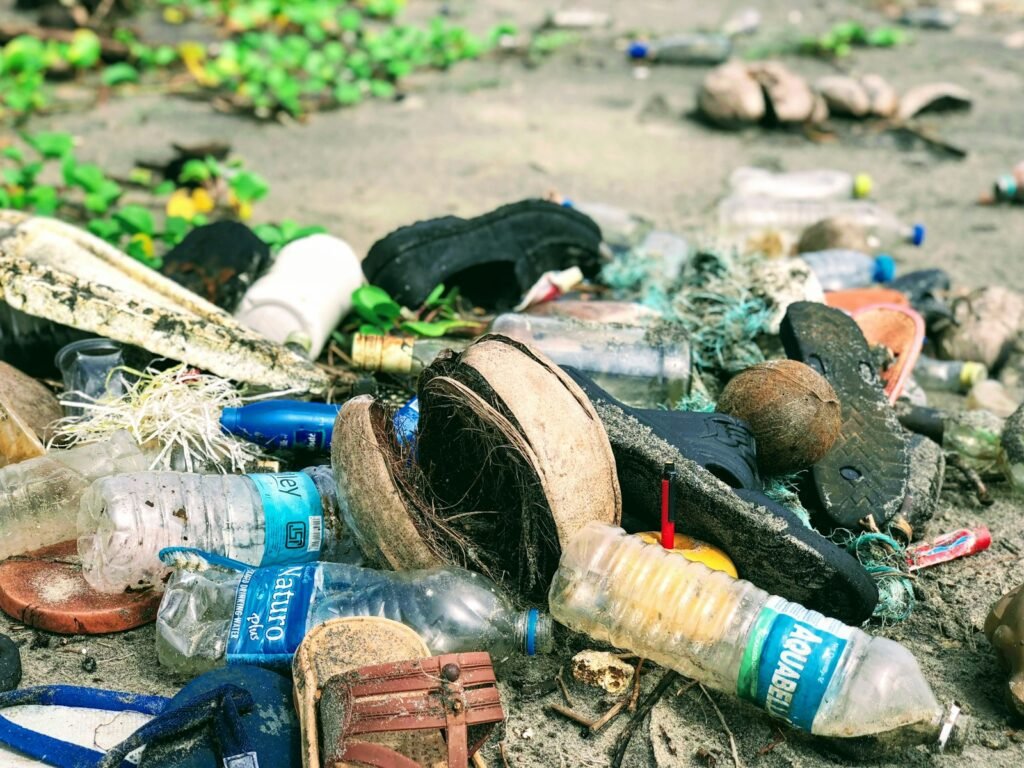
Home maintenance is essential for preserving property value and ensuring comfort, but it doesn’t have to come at an environmental cost. Traditional methods often rely on harsh chemicals, wasteful practices, and energy-intensive tools that can harm both human health and natural ecosystems.
Eco-friendly home maintenance means making thoughtful choices about the products you use, how you conserve resources like water and electricity, and what materials and techniques you employ during repairs or upgrades. The goal is to maintain your living space while minimizing environmental impact—keeping your house in top condition without sacrificing the planet’s future.
Eco-Friendly Cleaning: Keeping Your Home Fresh Without Toxins
One of the most impactful areas for green change lies in cleaning routines. Many store-bought cleaners contain volatile organic compounds (VOCs), phosphates, and synthetic fragrances that pollute waterways and harm indoor air quality.
DIY Green Cleaners You Can Make at Home
You don’t need harsh chemicals to keep your home sparkling. Simple ingredients like white vinegar, baking soda, lemon juice, castile soap, and essential oils can be combined into powerful natural cleaners:
- All-Purpose Cleaner: Mix equal parts water and white vinegar.
- Glass Cleaner: Combine one part rubbing alcohol with two parts distilled water for a streak-free shine.
- Bathroom Scrub: Make a paste from baking soda and water to tackle grime in sinks, tubs, and toilets.
These homemade cleaners are not only non-toxic but also cost-effective and long-lasting.
Choosing Sustainable Cleaning Tools
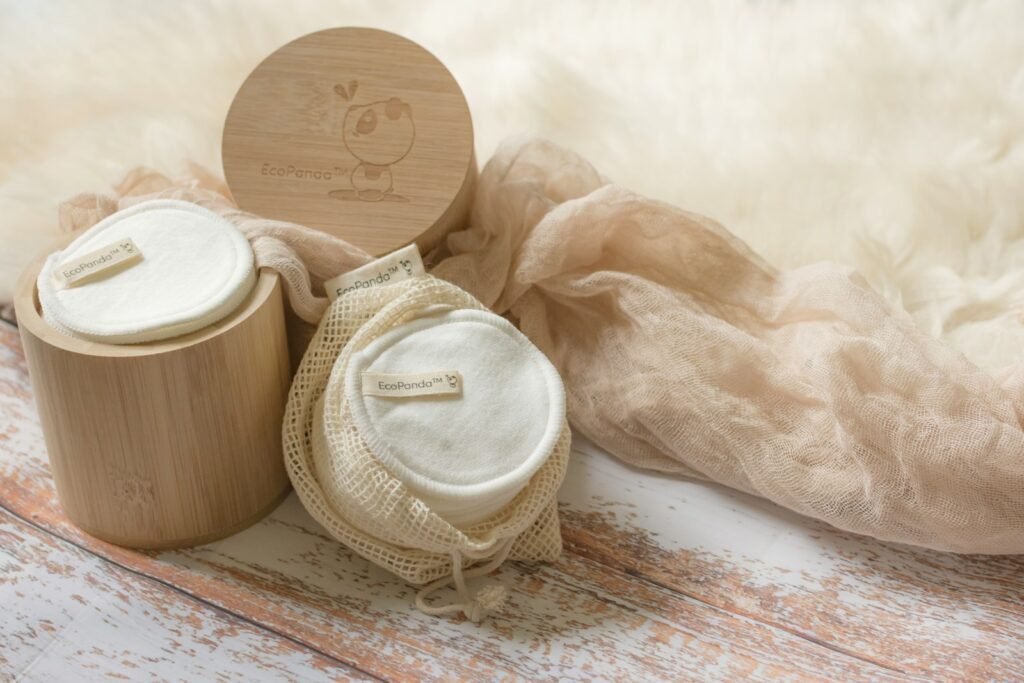
In addition to using natural ingredients, it’s important to consider the tools you use. Replace paper towels with reusable cloths made from organic cotton or bamboo. Choose mops and brushes that are durable and built with sustainable materials like bamboo or recycled plastic.
Reducing Water Use in Home Maintenance
Water conservation is a critical part of eco-friendly living, especially when it comes to everyday maintenance tasks such as cleaning, gardening, and toilet use.
Fixing Leaks and Upgrading Fixtures
A dripping faucet can waste hundreds of gallons over the course of a year. Regularly inspect your plumbing for leaks, particularly under sinks, around toilets, and in bathrooms. Replacing old fixtures with water-efficient models is another powerful way to reduce usage.
Opt for low-flow showerheads and faucets that cut down on water without sacrificing pressure. Dual-flush toilets are also great for saving large amounts of water by allowing users to choose between a full or partial flush depending on need.
Collecting Rainwater for Use Around the Home
Rainwater harvesting is an easy way to reduce reliance on municipal water supplies. Install rain barrels under downspouts and use the collected water for tasks like washing outdoor tools, watering plants, and even cleaning indoor surfaces in a pinch.
With proper filtration and storage, some systems can be used for flushing toilets or laundry—depending on local building codes and regulations.
Green Pest Control: Safeguarding Your Home Naturally
Pest problems often lead to the use of chemical pesticides, which not only harm insects but also pollute soil and water. Fortunately, there are many natural alternatives that protect your home without damaging ecosystems.
Non-Toxic and Organic Solutions
Substitute commercial insecticides with safer options like diatomaceous earth, neem oil, essential oils (lavender, peppermint, tea tree), or borax-based formulas. These solutions target pests in their environment while keeping indoor air clean for you and your family.
For example:
- Place diatomaceous earth near entry points to keep ants and roaches away.
- Use a mix of water and neem oil as an organic insecticide spray on plants.
- Repel mosquitoes with natural repellents containing citronella or eucalyptus oils.
Preventative Strategies for a Pest-Free Home
The best pest control is prevention. Seal cracks around windows, doors, and foundation walls to keep pests from entering in the first place. Keep clutter at bay, fix moisture issues (like leaky pipes), and regularly clean out trash bins. These small changes go a long way in keeping pests away without chemicals.
Physical barriers like mesh screens or traps are also effective alternatives to sprays and baits.
Sustainable Repairs and Renovations
When it’s time for repairs, upgrades, or renovations, eco-friendly choices can make a big difference. Instead of buying brand new items that may end up in landfills after short use, consider the environmental impact before making purchases.
Repairing Rather Than Replacing
Before tossing an old appliance or piece of furniture into the trash, try repairing it first. Learning basic repair skills—like patching drywall, sealing leaks, or fixing a running toilet—can extend the life of your home’s components and reduce waste.
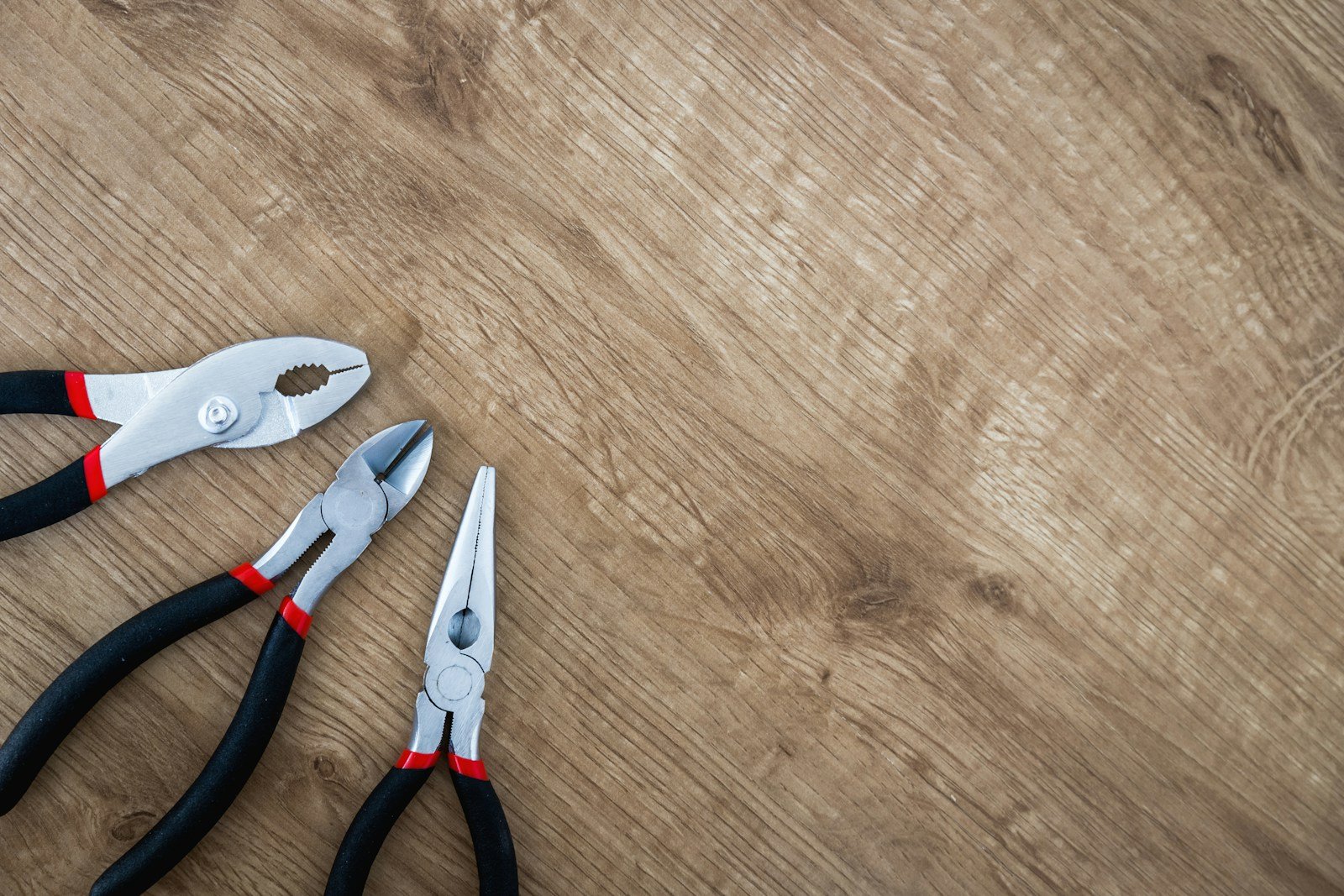
Many tools for basic repairs are reusable, so investing in quality hand tools like screwdrivers, wrenches, and pliers can serve you for years.
Using Eco-Friendly Materials
When it comes time to replace something, choose materials that align with sustainable values. For flooring, consider reclaimed wood or bamboo; these have lower environmental footprints than new hardwoods harvested from virgin forests.
For paint, go for low-VOC (volatile organic compound) options made without synthetic fragrances and harmful additives. These are better for indoor air quality and overall health.
Energy-efficient insulation like cellulose or sheep’s wool is another great choice—both materials reduce heating and cooling costs while being biodegradable at the end of their life cycle.
Energy-Efficient Home Care
Cutting down on energy use not only helps the environment but also saves you money. Small changes in how you maintain your home can lead to big savings over time.
Upgrading to Energy-Saving Equipment
Replace older appliances with models that carry the ENERGY STAR certification or other environmental labels. These products meet efficiency standards for electricity and water usage without sacrificing performance.
Smart thermostats are also a great investment—they learn from your habits and adjust heating and cooling to match, reducing energy use during off-hours.
Insulation and Weatherization Tips
Proper insulation is one of the best ways to reduce energy waste in homes. Seal windows with weatherstripping or caulk to prevent drafts. Add draft stoppers under doors for extra protection against heat loss.
If you’re not comfortable doing this yourself, hire a professional who uses sustainable materials and methods. Even minor improvements can lead to significant long-term savings on your utility bills.
Waste-Free and Circular Maintenance Practices
Sustainability in home maintenance is not just about reducing harm—it’s also about creating systems that promote reuse, recycling, and minimal waste generation.
Embracing the 5 R’s: Refuse, Reduce, Reuse, Repair, Recycle
These principles guide sustainable living:
- Refuse single-use items like disposable rags or plastic packaging.
- Reduce consumption by only buying what you truly need.
- Reuse old materials—turn fabric scraps into cleaning cloths and use leftover paint in another room.
- Repair items before replacing them, as discussed above.
- Recycle properly to ensure waste goes where it can be turned back into new products.
Setting Up a Home Composting System
If you’re not already composting food scraps at home, now is the time to start. A small indoor bin or outdoor system allows you to turn kitchen and garden waste into nutrient-rich soil for your plants—reducing landfill contributions and keeping organic matter out of the waste stream.
Composting also teaches valuable lessons about sustainability that can be passed on to family members and even shared with neighbors.
Eco-Friendly Yard Care
If you live in a home with an outdoor space, yard maintenance is another area where eco-conscious choices count. The key is to support biodiversity while minimizing the use of harmful chemicals and fossil fuels.
Choosing Native Plants for Your Garden
Native plants are naturally adapted to your region’s climate and soil conditions, so they require less water and fertilizer. Plus, they provide vital habitats for local pollinators like bees and butterflies—supporting the health of the entire ecosystem around you.
Avoid invasive species that can outcompete native plants and disrupt ecological balance.
Natural Lawn and Soil Maintenance
Instead of using chemical fertilizers and pesticides on your lawn or garden, try natural alternatives. Compost is a great way to enrich soil organically. Replace gas-powered mowers with electric models or use push-type lawnmowers for smaller areas—both options reduce carbon emissions significantly.
Building a Culture of Sustainable Living in Your Home
Sustainability isn’t just about individual actions—it’s also about creating habits that last. The more your family is involved, the easier it becomes to maintain eco-friendly practices long-term.
Educating Family Members on Green Practices
Get everyone in the house comfortable with sustainable routines by explaining the “why” behind each choice. Whether it’s turning off lights when not needed or using refillable containers for cleaning supplies, small changes become part of daily life when they’re understood and embraced.
Involving children is especially impactful—it gives them a chance to grow up valuing sustainability as much as you do.
Joining Forces with Other Eco-Conscious Homeowners
You don’t have to go it alone. Connect with other neighbors who are also committed to green living. Share tools, swap used goods like paint or appliances in good condition, and collaborate on projects that benefit the entire community—like shared compost systems, neighborhood clean-ups, or even a local sustainability group.
Making It a Habit: Small Changes That Add Up
Sustainability is not about making perfect choices every day—it’s about building habits that gradually become part of your routine. Start small and build from there.
Tracking Your Progress
Use an app or simple spreadsheet to track how much water you’re saving, waste you’re reducing, and energy you’re cutting down on over time. Seeing tangible results can be incredibly motivating and help reinforce the positive impact of your efforts.
Celebrate milestones—like a week without using single-use plastics or switching entirely to homemade cleaning solutions—as small victories that add up over time.
Setting Goals for the Future
Encourage readers to think ahead: What’s next? Maybe it’s installing solar panels, building an outdoor rainwater collection system, or starting a community garden. Every step forward is progress—no matter how big or small.
Sustainability is a continuous journey, and every eco-friendly choice you make today helps build a better tomorrow for your home—and the planet we all share.