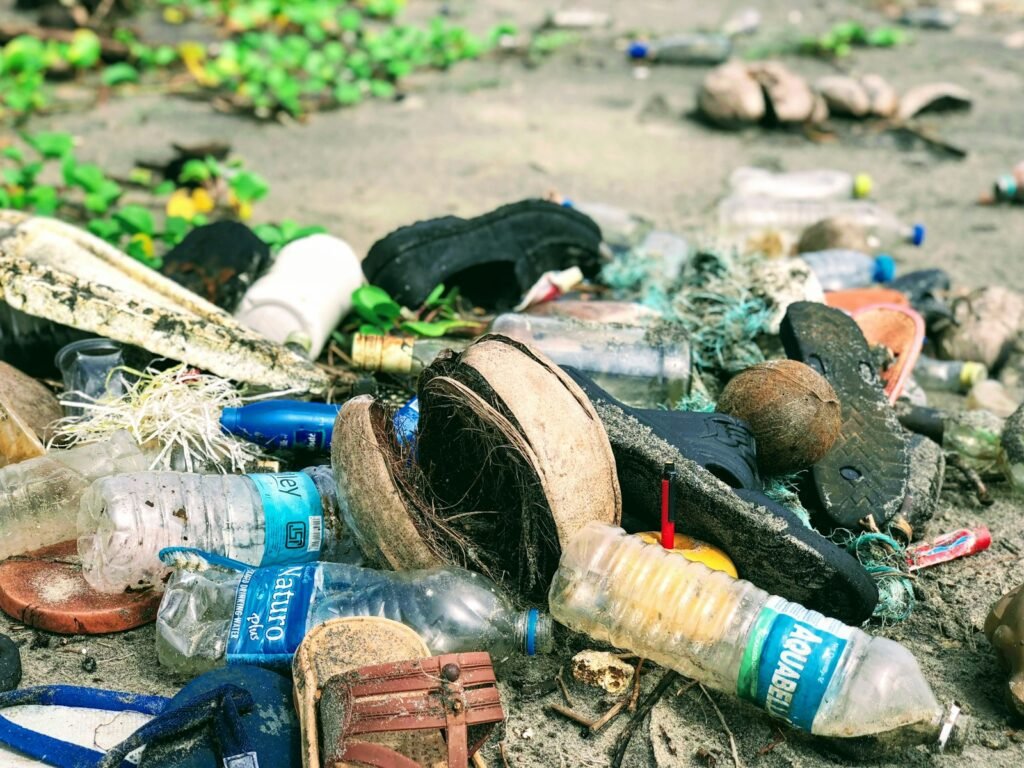
The average person discards approximately 81 pounds of clothing each year. Much of this waste ends up in landfills, where synthetic fibers like polyester take hundreds of years to decompose, releasing methane and microplastics into the soil and water table. Yet, despite this staggering statistic, the pressure to refresh our closets with “new” looks remains relentless.
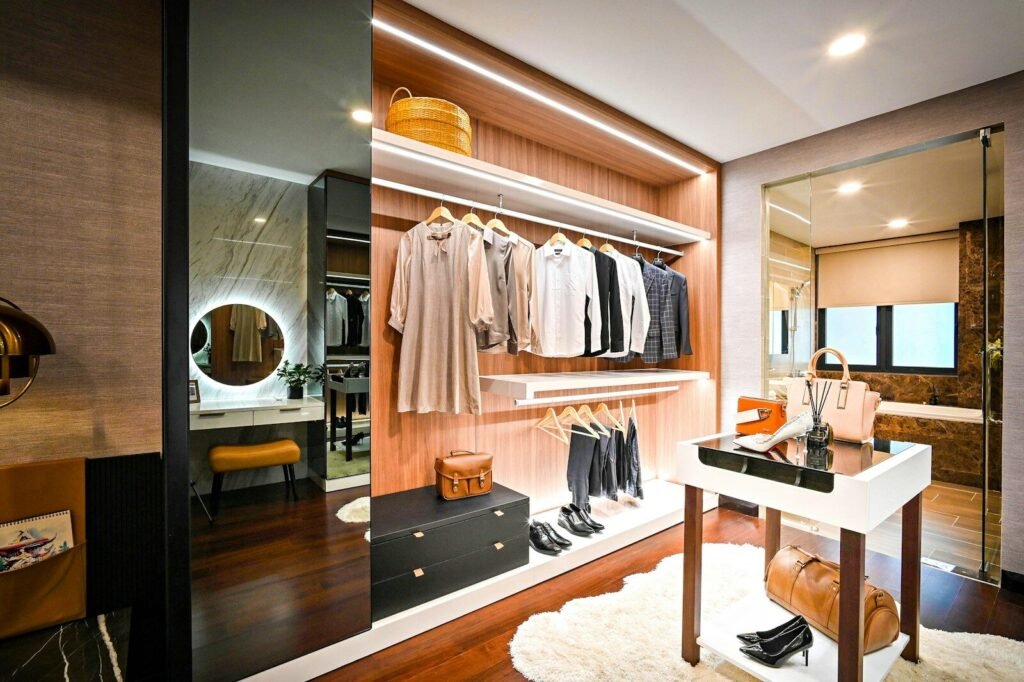
Building a sustainable wardrobe is often misunderstood as a mandate to buy exclusively from expensive, niche eco-brands. It is not. True sustainability is not about consumption; it is about curation, care, and consciousness. It is a shift from viewing clothes as disposable commodities to viewing them as long-term investments in your lifestyle and the planet’s health.
This season, you can begin this transition without overhauling your life overnight. By adopting a strategic approach to what you own, how you shop, and how you care for your garments, you can reduce your environmental footprint while cultivating a style that feels authentic and enduring.
Audit Your Current Closet: The First Step to Sustainability
Before purchasing a single new item, you must understand the inventory you already possess. Most people have a significant gap between their closet capacity and their actual usage. We often wear 20% of our clothes 80% of the time, leaving the rest to gather dust.
Conducting a Honest Inventory
Start by emptying your closet entirely. Lay everything out on your bed or floor. As you handle each piece, ask yourself three critical questions:
- Do I love this? Does it bring me joy or confidence when I wear it?
- Does it fit? Not just the label size, but how it fits my body now.
- Do I wear it? If you haven’t worn it in the last 12 months, be honest about why. Is it uncomfortable? Out of style? Or simply forgotten?
Categorize items into three piles: Keep, Repair/Alter, and Release. The “Keep” pile should form the foundation of your sustainable wardrobe. It should consist of versatile pieces that mix and match easily. If you find yourself constantly buying “basics” that you already own but can’t find, your problem isn’t a lack of clothes; it’s a lack of organization.
Identifying Gaps vs. Wants
Once you have sorted your “Keep” pile, look for functional gaps. Do you need a reliable blazer for work? A warm coat for winter? A versatile pair of trousers?
Distinguish between a gap (a functional need) and a want (a desire for novelty). Sustainable fashion encourages filling gaps with high-quality, long-lasting items, while resisting the urge to fill emotional voids with new purchases. This distinction is crucial for breaking the cycle of impulsive buying.
Shop Smarter: The Art of Intentional Acquisition
When you are ready to acquire new pieces, your approach must change. The goal is to extend the life cycle of garments, whether that means buying secondhand or investing in high-quality new items.
The 30-Wear Rule
Adopt the “30-Wear Rule” as your primary filter for any potential purchase. Before buying an item, ask yourself: “Will I wear this at least 30 times?”
If the answer is no, put it back. This rule forces you to evaluate the cost-per-wear rather than the sticker price. A $200 jacket worn 100 times costs $2 per wear. A $50 dress worn twice costs $25 per wear. Sustainability is often a function of utility, not just origin.
Prioritize Secondhand Markets
The most sustainable garment is the one that already exists. Buying secondhand diverts textiles from landfills and reduces the demand for new resource extraction.
- Thrift and Consignment Stores: These offer unique finds and allow you to inspect fabric quality in person.
- Online Resale Platforms: Digital marketplaces have made it easier than ever to find specific sizes, styles, and brands. Look for platforms that verify authenticity and condition.
- Clothing Swaps: Organize or join local swaps. This is a social way to refresh your wardrobe with zero environmental cost.
Choosing Quality in New Purchases
If you must buy new, prioritize quality and ethics. Look for natural, biodegradable fibers such as organic cotton, linen, hemp, and wool. These materials break down naturally at the end of their life cycle and generally require fewer chemicals to produce than synthetic alternatives.
When evaluating construction, check the seams. Are they reinforced? Is the stitching even? Does the fabric feel substantial? Cheap garments often fray or lose shape after a few washes. Investing in a well-made item that lasts five years is more sustainable than buying three cheap items that last one year each.
Care for Your Clothes: Extending Their Lifespan
The environmental impact of a garment doesn’t end at the point of purchase. The majority of its carbon footprint is generated during the use phase, specifically through washing and drying.
Washing Less and Smarter
Frequent washing damages fibers, fades colors, and accelerates wear. Unless a garment is visibly soiled or smells, it likely does not need to be washed after every wear.
- Spot Clean: Use a damp cloth or mild soap to remove small stains immediately.
- Air Out: Hang clothes outside or in a well-ventilated area to refresh them between wears.
- Cold Water Wash: Always wash in cold water. Heating water accounts for 90% of the energy used by a washing machine. Cold water is gentler on fabrics and prevents shrinkage.
- Microplastic Filters: If you must wash synthetic blends, use a microfiber filtering bag. These capture plastic fibers before they enter the water system, preventing them from polluting oceans.
Drying and Storage
Skip the dryer whenever possible. Heat is the enemy of elasticity and color. Air drying preserves the integrity of fibers and saves significant energy.
Store your clothes properly to prevent damage. Use padded hangers for delicate items, fold heavy knits to prevent stretching, and ensure your closet is dry to prevent mildew. Proper storage is a low-effort way to extend the life of your wardrobe.
Mindful Disposal: Closing the Loop
When an item truly reaches the end of its life, it must never go into the regular trash. The concept of “out of sight, out of mind” does not apply to textiles.
Repair and Upcycle
Before donating or recycling, consider if the item can be saved. Learning basic mending skills—sewing on a button, darning a sock, or patching a tear—can add years to a garment’s life. Many community centers offer repair workshops, or you can find tutorials online for simple fixes.
If you have creative skills, upcycle old items. Turn worn-out t-shirts into cleaning rags, cut jeans into shorts, or repurpose sweaters into pillow covers. This keeps textiles in use and out of the waste stream.
Responsible Donation and Recycling
For items you no longer need but are still wearable, donate to reputable organizations that support local communities or environmental causes. Ensure the organization actually distributes the clothing rather than shipping it overseas where it may end up as waste.
For unwearable items, seek out textile recycling programs. Many municipalities and retail stores have drop-off bins specifically for textile recycling. These facilities break down old fibers to create insulation, carpet padding, or new yarn. Never assume your local landfill can handle textiles; they are not designed for them.
Embracing a Slow Fashion Mindset
Building a sustainable wardrobe is ultimately a mindset shift. It requires patience, intentionality, and a rejection of the “disposable” culture that dominates modern retail.
Style Over Trends
Trends are designed to be temporary. Style is enduring. Focus on developing a personal aesthetic that reflects your values and lifestyle. When you know who you are and what you like, you stop chasing the latest micro-trends and start investing in pieces that resonate with you long-term.
The Joy of Connection
There is a profound satisfaction in knowing the story behind your clothes. Whether it’s a vintage jacket with a history, a locally made dress, or a well-loved pair of jeans that has shaped to your body, these items become part of your narrative. This emotional connection reduces the desire to replace them with new, impersonal goods.
Progress, Not Perfection
Do not feel overwhelmed by the scale of the fashion industry’s impact. You do not need to be perfect. You do not need to throw away everything you currently own. Start where you are. Wear what you have. Buy less. Choose better.
Every time you choose to repair instead of replace, or buy secondhand instead of new, you are voting for a different future. Your wardrobe is a reflection of your values. Make it count.