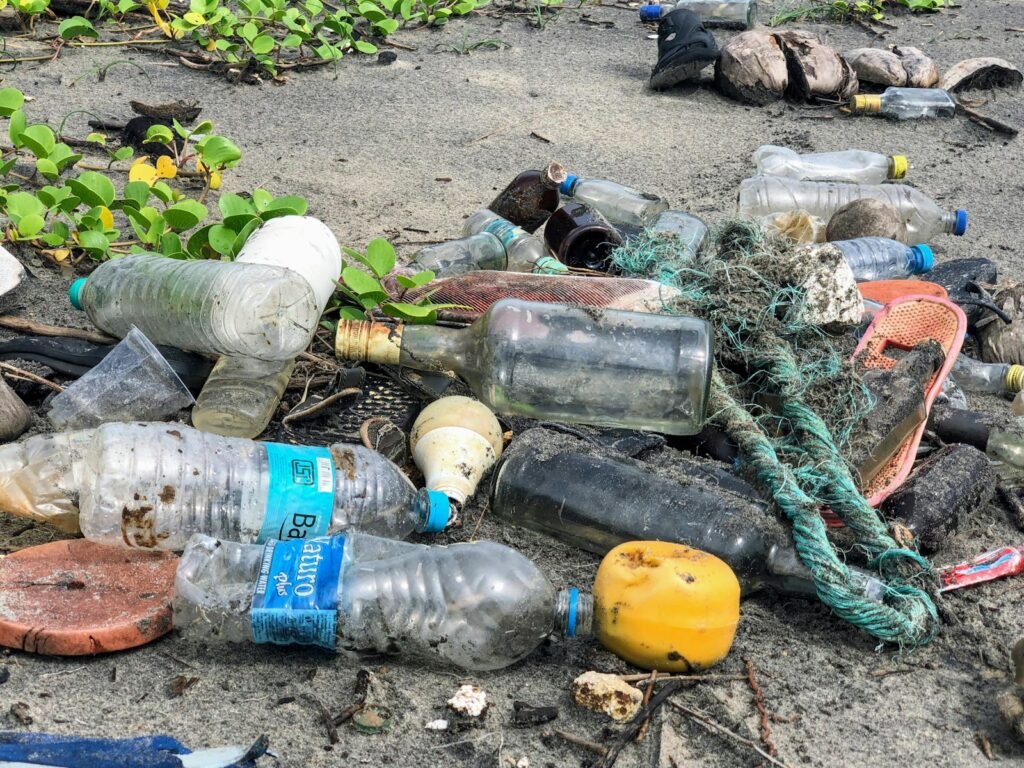
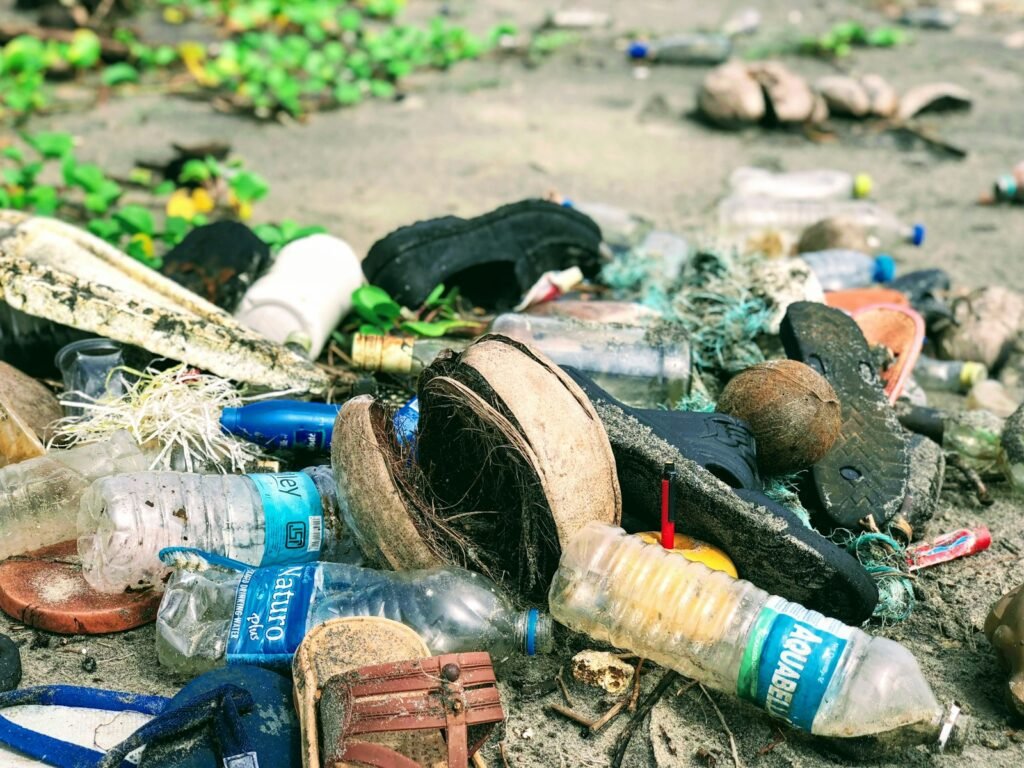
For many people, being a frequent flyer is part of life—whether for work, family, adventure, or exploration. Air travel has made the world more connected and accessible than ever before. However, it’s also one of the fastest-growing contributors to global greenhouse gas emissions.
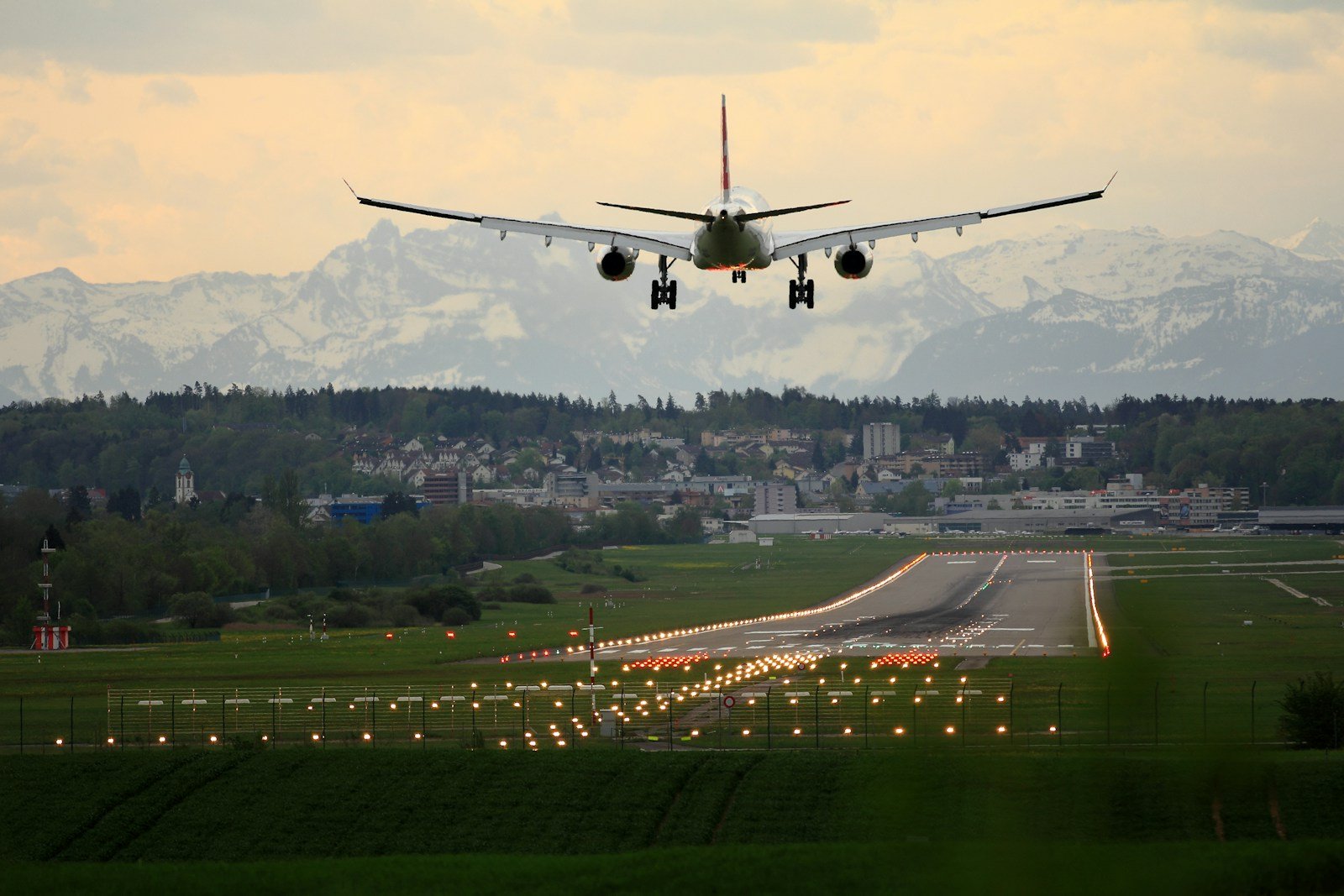
The idea that someone who travels often can live sustainably might seem contradictory at first glance. But with a few thoughtful choices and proactive lifestyle adjustments, it’s absolutely possible to minimize your environmental impact—even as you board flights multiple times a year.
The Environmental Impact of Frequent Flying
Air travel accounts for roughly 2-3% of global CO₂ emissions from fossil fuels, according to recent climate data. While this number might not sound high in isolation, the fact is that emissions from aviation are increasing faster than most other sectors. For frequent flyers, the cumulative effect can significantly contribute to an individual’s carbon footprint.
Flying burns a lot of fuel quickly—especially during takeoff and landing. The higher altitude at which planes operate also means these emissions have a more potent warming effect in the atmosphere compared to ground-level pollution.
The good news is that while flying itself might not be sustainable, the choices you make before, during, and after your trips can help balance it out or even turn frequent flying into an opportunity for positive change.
Choosing Eco-Friendly Flights and Airlines
How Your Flight Decisions Matter
Not all airlines or flight routes are created equal when it comes to sustainability. Some carriers are actively working to reduce emissions by investing in more efficient aircraft, using cleaner fuels, or optimizing flight paths to save fuel.
When booking flights, consider the following:
- Direct vs. Connecting Flights: The fewer stops you make on your journey, the lower your total emissions will be.Each time a plane takes off and lands, it uses a significant amount of fuel. A direct route cuts out unnecessary legburns in the sky.
- Cabin Class Considerations: Business or first-class seats typically offer much more personal space but come with dramatically higher per-person carbon emissions compared to economy class.Choosing economy can significantly lower your environmental impact without sacrificing safety or comfort—just a bit of perspective on how shared resources work.
Offsetting Your Carbon Footprint Effectively
Carbon offsetting is one strategy that allows travelers to mitigate the emissions they generate by supporting projects that reduce or remove carbon from the atmosphere. These may include reforestation initiatives, renewable energy developments, or methane capture programs in landfills and agriculture.
When selecting an offset program:
- Research the Organization: Look for transparency in how projects are selected, monitored, and verified.Programs like those certified by Gold Standard or Verra ensure that each credit represents a real reduction you can count on.
- Calculate Your Emissions Accurately:Use online calculators to estimate your annual emissions based on your flight history. Some tools will even suggest how many credits are necessary to make your flying carbon neutral.
Offsetting is not a silver bullet—it’s one part of the solution. Still, for frequent flyers, it can be an effective way to begin making up for what you emit.
Adopting a More Sustainable Travel Mindset
The Way You Pack Makes a Difference
Travel doesn’t have to involve single-use plastics or excessive waste. Consider packing:
- Reusable toiletries in travel-sized containers.
- A lightweight, biodegradable shampoo and conditioner bar.
- A water bottle that can be refilled at your destination.
These small changes add up and reduce the demand for disposable products.
Supporting Low-Impact Accommodations
Where you stay plays a big role. Look for eco-certified hotels or vacation rentals that:
- Use energy-efficient lighting and heating systems.
- Source food locally to support nearby farms and cut down on transportation emissions.
- Implement robust recycling and composting programs.
Even small guesthouses can make a difference if they follow sustainable practices like using solar power or minimizing water waste.
Getting Around Responsibly
Once you arrive, the way you explore your destination matters. Opt for:
- Public transport over rental cars whenever possible.
- Bike rentals instead of taxis in cities with bike-friendly infrastructure.
- Walking for short trips and exploring nearby neighborhoods on foot.
These habits not only reduce emissions but also often lead to more authentic travel experiences.
Living Sustainably at Home, Too
Just because you’re a frequent flyer doesn’t mean the rest of your life has to remain high-carbon. In fact, adjusting other areas of your routine can help balance out air travel and even make it part of a low-impact lifestyle overall.
Reduce Your Energy Use at Home
- Switch to energy-efficient lighting and appliances.
- Consider installing solar panels or using renewable energy providers if possible.Even small actions like unplugging devices when not in use can add up over time.
Eat More Sustainably
The food industry is responsible for a large portion of global emissions. Try:
- Reducing your meat consumption, especially red meat and dairy.
- Buying seasonal and local produce to cut down on transportation energy.
Plant-based meals don’t just lower carbon footprints—they also support biodiversity and soil health.
Reduce Waste in Everyday Life
Aim for zero-waste living by minimizing what you throw away. Tips include:
- Recycling properly and avoiding single-use plastics.
- Using reusable bags, containers, and bottles wherever possible.Consider buying in bulk to cut down on packaging waste at the source.
Advocacy: Flying as a Catalyst for Change
Frequent flying doesn’t have to be an excuse not to care about climate change. In fact, frequent flyers are uniquely positioned to influence the future of sustainable aviation through their consumer choices and public advocacy.
Vote with Your Wallet
By choosing airlines that take sustainability seriously, you send a message to the industry: green practices matter. This kind of market pressure can drive innovation in cleaner fuels, electric planes, and more efficient operations over time.
Support Policy Change
Write to your local representatives or join campaigns for:
- Carbon pricing on air travel.
- Government incentives for clean aviation technologies.The more people demand action, the faster change happens.
Connect with Others
Join online communities of like-minded travelers who are pushing toward a greener future. Sharing knowledge and experiences can inspire new ideas and hold you accountable to your own goals.
Small Steps, Big Impact
Living sustainably while being a frequent flyer means understanding that no one action is perfect—but every choice matters.
You don’t have to give up travel or live without modern conveniences. Instead, it’s about making conscious decisions in areas where you can reduce waste, lower emissions, and support ethical businesses.
The next time you’re on your way to the airport, consider what else in your life might be contributing more than just your flights. The more balanced your lifestyle becomes across all aspects—work, food, energy use, and transportation—the less flying needs to define your environmental impact.
And remember: sustainability is a journey, not a destination. Even small changes can lead to big shifts over time.