Switching light bulbs. Refusing a plastic straw. Skipping meat one day a week. These are small choices—choices that feel like they barely ripple across the surface of a vast ocean of environmental challenges. But if you’ve ever felt discouraged by how little your efforts seem to matter, you’re not alone.

The truth is: sustainable living is as much about mindset as it is action. It’s easy to lose motivation when change feels incremental or invisible. Understanding what drives us—and why we sometimes fall short—can help turn frustration into persistence and discouragement into empowerment.
Why Sustainability Can Feel Disheartening
At first glance, sustainability can seem like a race with unclear rules and no finish line. You start eating less meat, using reusable bags, and saving energy at home—but the results are hardly visible on your own timeline or even within your community.
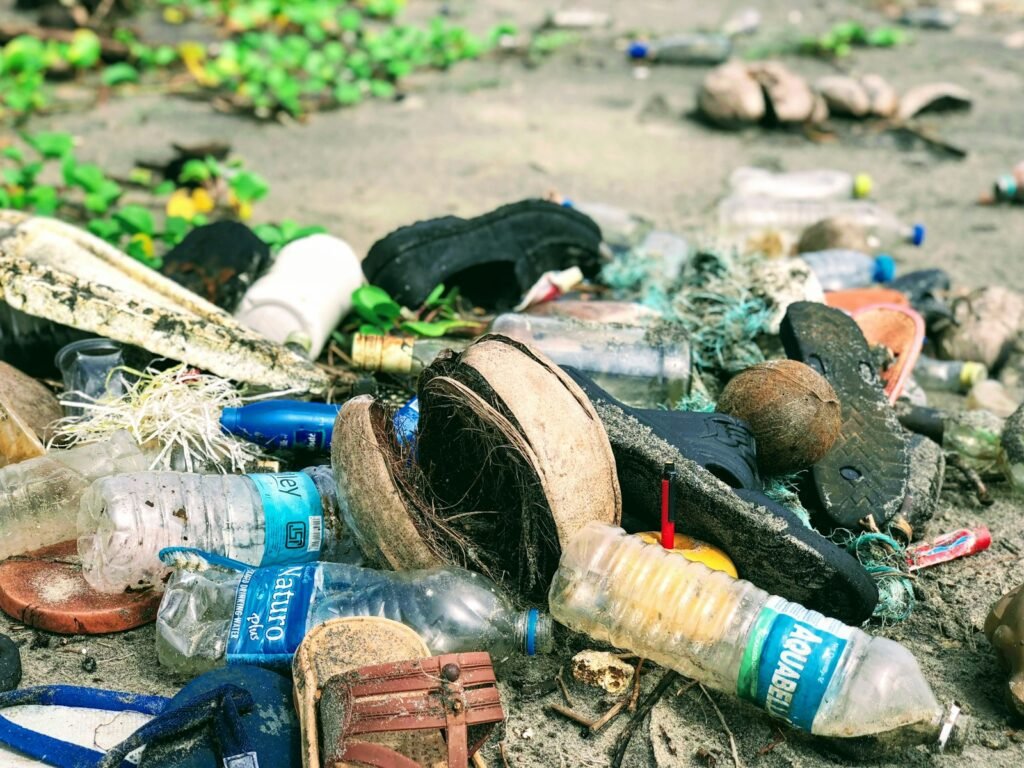
This is partly because the gap between action and impact is long. For example, when you stop buying bottled water, it takes time—sometimes years—for that to translate into fewer plastic bottles in oceans. In the meantime, the effort may feel like a drop in a bucket.
There’s also something called cognitive dissonance, where people struggle with behaviors that don’t align with their beliefs. You believe sustainability is important, but old habits die hard. This internal conflict can create stress and reduce motivation over time.
And let’s not forget the emotional weight of eco-anxiety—that anxious or hopeless feeling when we consider the scale of environmental crises like climate change and deforestation.
The Psychological Foundations of Sustainable Choices
To stay motivated, it helps to look at sustainability through a psychological lens. Understanding how our thoughts influence behavior can help us create lasting habits that stick—even on hard days.
Intrinsic vs. Extrinsic Motivation
Motivation comes in two main forms: intrinsic, which stems from within (e.g., “I feel good doing this”), and extrinsic, which is driven by external factors like rewards or social approval.
When it comes to sustainability, intrinsic motivation tends to be more powerful. It doesn’t rely on outside validation, so you can keep going even when change isn’t immediate. When someone truly wants to live in a way that protects the planet—because it aligns with their values—they’re less likely to give up.
Cognitive Behavioral Theory and Behavior Change
Cognitive behavioral theory suggests our thoughts influence our emotions and actions. If you believe, “I’m never going to make a difference,” your behavior is more likely to reflect that mindset.
On the flip side, challenging these beliefs—like reframing setbacks as learning opportunities—influences how we show up day after day. It’s about replacing negative self-talk with empowering affirmations like, “I’m doing what I can.”
The Role of Identity in Sustainable Living
When you start to see yourself as someone who chooses sustainability—not just someone who tries it—you’re more likely to continue those choices.
Psychologists call this identity-based motivation. It’s the idea that when your values become part of how you define yourself, they guide your behavior automatically. You don’t have to constantly decide to do something; instead, doing it feels like a natural extension of who you are.
Strategies to Stay Motivated When Progress is Slow
The journey toward sustainability is rarely linear. But with the right strategies, you can stay energized and focused—even on days when progress seems nonexistent.
Set Micro-Goals and Track Wins
Big goals—like “zero waste” or “carbon neutral life”—can be overwhelming. That’s why it helps to break them down into micro-goals that are easy to track and achieve regularly.
For instance, instead of aiming for 100% plastic-free living overnight, set a goal to reduce one type of packaging per week. These small wins build momentum and prove to your brain (and yourself) that progress is happening.
Using habit-tracking tools or journals can help you visually see how far you’ve come. This visual feedback reinforces the idea that every step counts.
Celebrate Symbolic Successes
Sometimes, what’s important isn’t the outcome itself but the meaning it carries. For example, choosing to ride a bike to work might not immediately reduce your carbon footprint by much—but it means something: you’re making an active choice for a healthier planet and lifestyle.
Celebrate these symbolic wins. They remind us that sustainable living is as much about intention as impact.
Build an Eco-Friendly Community
You don’t have to go through this alone. Connection and community are powerful motivators. Finding others who share your values can provide encouragement, accountability, and new ideas for staying engaged with sustainability.
Joining eco-conscious groups—online or in-person—can help you feel part of something bigger than yourself. It also gives a sense of social proof: if other people are making these changes too, it’s easier to believe they matter.
Reframe Failure as Learning
When we make a mistake—like forgetting your reusable grocery bags—we often beat ourselves up over it. But that’s counterproductive.
Instead, try reframing the experience. A forgotten bag is not failure; it’s an opportunity to reflect on how you can improve. What patterns led to this slip? How can you prepare better next time?
This mindset shift—from “I failed” to “What did I learn?”—keeps motivation alive and prevents discouragement from taking root.
Overcoming Plateaus in Your Eco-Journey
There will be times when your progress slows or even feels like it’s going backward. This is normal, but how you respond matters a lot.
The Role of Purpose & Meaning
When the novelty wears off, meaning becomes crucial. Why are you doing this? For future generations? To protect wildlife? To live with integrity?
Aligning your actions with a deeper purpose helps sustain motivation when things get tough or slow. It gives your efforts more weight and significance beyond just checking boxes.
Introduce New Challenges
Sometimes, stagnation happens because the same routine becomes boring or habitual. That’s where new challenges come in—like experimenting with plant-based meals, trying a digital detox, or exploring zero-waste skincare.
These fresh goals reignite curiosity and remind you that sustainability is not static—it’s an evolving journey.
Staying Grounded When the World Feels Heavy
Sustainability isn’t just about action; it’s also about how we show up emotionally. The weight of global environmental issues can be exhausting, especially when progress feels slow or invisible.
In those moments, it helps to return to what you can control and celebrate that. You’re part of a movement—small in scale, but growing every day through the choices of people like you.
Trust Your Process
Sustainable living is not about reaching some ideal state—it’s about showing up for yourself, your community, and the planet consistently over time.
There will be days when it feels like nothing matters. But that doesn’t mean your efforts don’t matter. It just means you’re human—trying to make a difference in a complex world.
So stay curious, stay compassionate with yourself, and most importantly: keep going. Your choices may seem small now—but they are building something meaningful, one action at a time.