When you walk down a busy city street, the sensory experience is overwhelming. The hum of traffic, the glow of neon signs, and the sheer density of people create a rhythm that is distinctly urban. For many, cities represent convenience, opportunity, and culture. However, beneath the surface of this vibrant lifestyle lies a complex environmental reality. Cities are often viewed as concrete jungles disconnected from nature, but they are actually the epicenter of both significant environmental impact and potential solutions.
Sustainable living in an urban context is not merely a lifestyle trend or a moral obligation; it is a necessity. The unique characteristics of city life—high density, concentrated resources, and rapid consumption patterns—mean that individual actions have a multiplied effect on the environment. Living sustainably in a city improves personal health, reduces financial burdens, and drives systemic change.
The Urban Paradox: Density Equals Impact
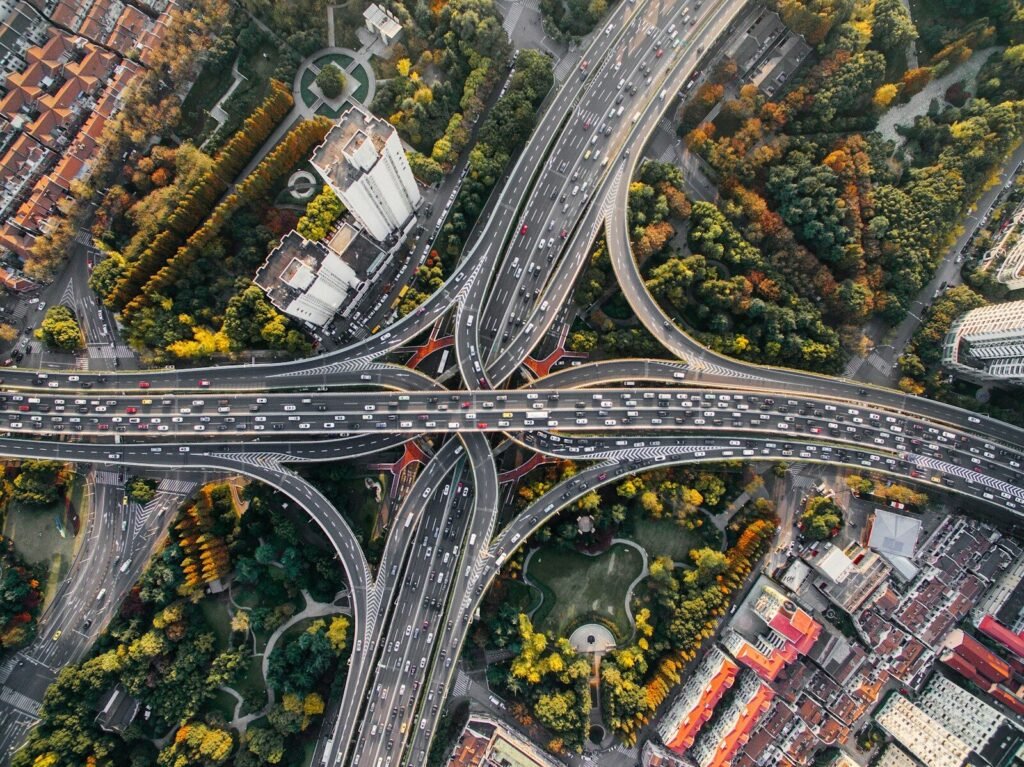
To understand why sustainability matters in the city, we must first acknowledge the sheer scale of resource consumption in metropolitan areas. Cities occupy only a small fraction of the Earth’s land surface, yet they are responsible for a disproportionate amount of global greenhouse gas emissions. This phenomenon is known as the urban carbon footprint.
Concentrated Emissions and Energy Use
High-rise buildings and dense infrastructure require massive amounts of energy for heating, cooling, lighting, and powering daily operations. When millions of people live in close proximity, the demand for electricity spikes. If that energy is derived from fossil fuels, the environmental cost is immediate and severe. Furthermore, the construction and maintenance of urban infrastructure involve significant material extraction and waste generation.
The Waste Challenge
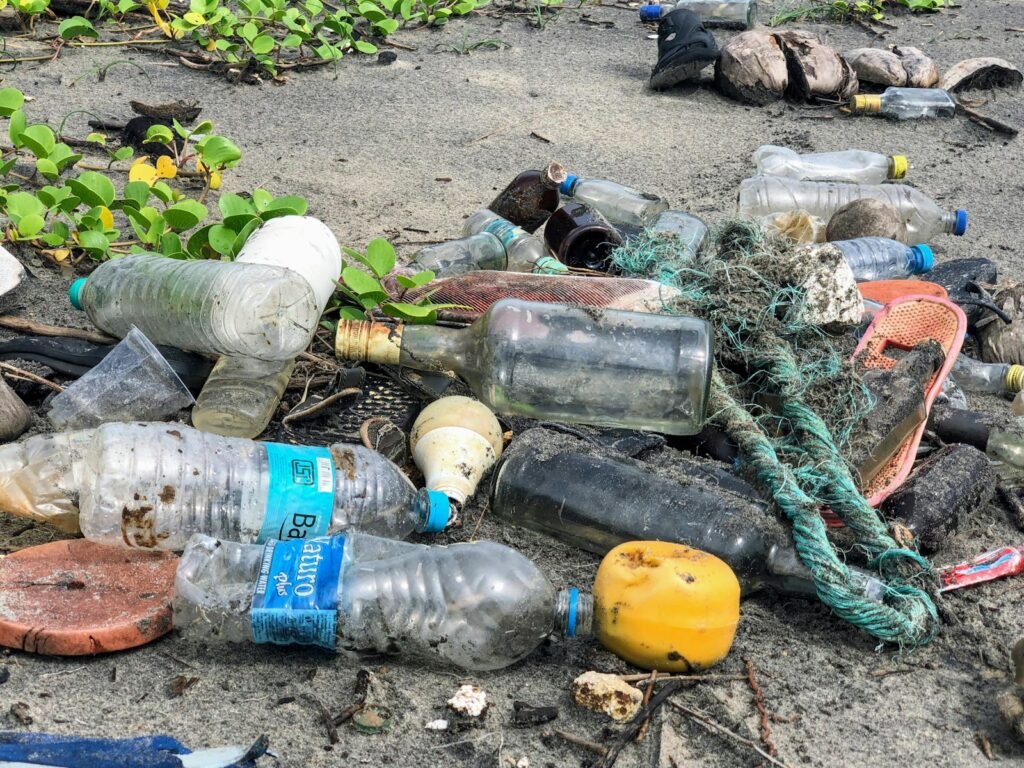
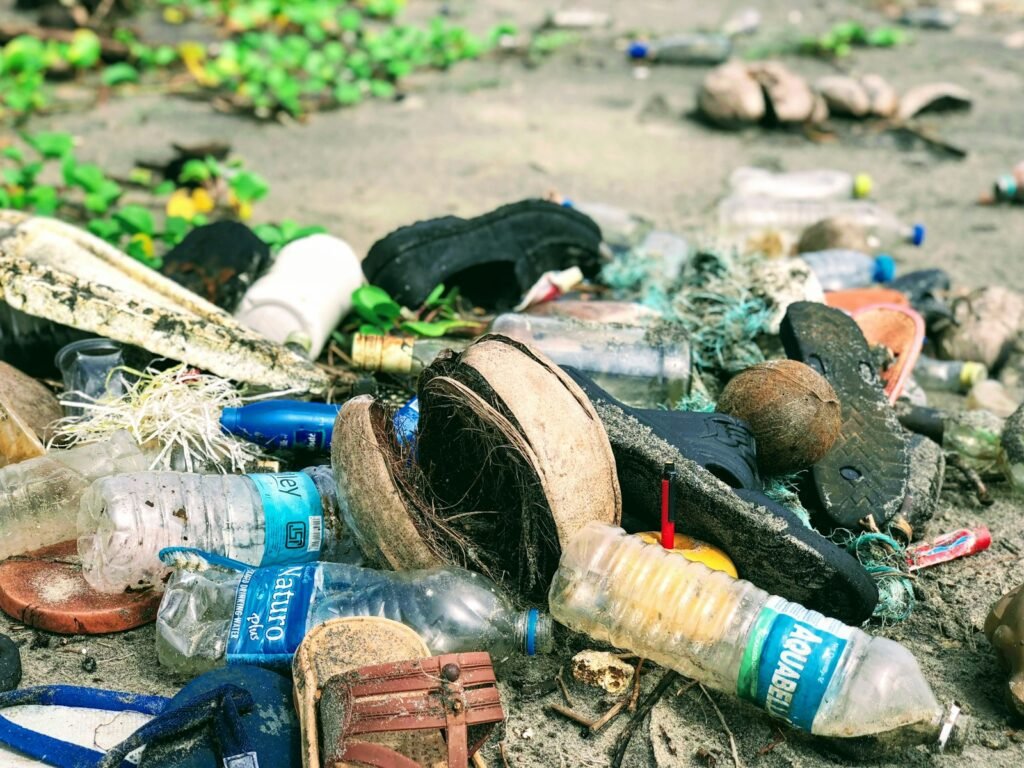
Urban areas generate vast quantities of waste. The fast-paced nature of city life often encourages a “use and dispose” mentality. Single-use packaging from food delivery, office supplies, and retail goods accumulate rapidly. In rural areas, waste might be managed through landfills that are less impactful due to lower population density. In cities, waste management becomes a critical logistical and environmental challenge. Improper disposal leads to soil contamination, water pollution, and increased methane emissions from overflowing landfills.
Heat Islands and Air Quality
Cities experience the Urban Heat Island effect, where built-up areas become significantly warmer than their rural surroundings due to human activities and the absorption of heat by concrete and asphalt. This increased temperature raises energy demand for air conditioning, creating a feedback loop of higher emissions. Additionally, traffic congestion and industrial activity in urban centers lead to poor air quality, which has direct consequences for human health and local ecosystems.
Why Sustainable Living Matters More in the City
The challenges mentioned above highlight why sustainable practices are not just beneficial but essential in urban environments. The benefits extend beyond the environment to include personal well-being and economic stability.
Immediate Health Benefits
The most immediate impact of sustainable urban living is on personal health. By reducing reliance on fossil fuels and promoting green spaces, cities can improve air quality. Cleaner air means fewer respiratory issues, such as asthma and bronchitis, which are prevalent in polluted urban areas. Furthermore, integrating nature into daily life through urban gardening or visiting parks has been proven to reduce stress, lower blood pressure, and improve mental well-being.
Economic Savings
Contrary to the belief that eco-friendly living is expensive, sustainable practices in the city often lead to significant financial savings. Public transportation, walking, and cycling are far cheaper than owning and maintaining a car. Energy-efficient appliances and smart home technologies reduce utility bills, which is particularly important in high-cost-of-living cities. Additionally, embracing minimalism and second-hand shopping allows urban dwellers to access quality goods at a fraction of the retail price.
Community Resilience
Sustainable living fosters stronger community bonds. Initiatives like community gardens, tool libraries, and repair cafes encourage neighbors to interact and share resources. This sense of community is crucial for resilience. In times of crisis, such as extreme weather events or supply chain disruptions, tight-knit communities are better equipped to support one another. Sustainable urban planning also prioritizes local food systems, reducing dependency on fragile global supply chains and ensuring food security for residents.
Amplified Influence
Urban dwellers have a unique platform for influence. Cities are hubs of policy-making, business innovation, and cultural trends. When residents demand sustainable products and policies, corporations and governments are forced to adapt. Collective action in urban centers can drive large-scale change faster than scattered efforts in rural areas. By adopting sustainable habits, city residents signal a market demand for green products, pushing industries toward cleaner practices.
Overcoming Urban Sustainability Barriers
Adopting sustainable habits in a city can seem daunting due to space constraints and limited access to resources. However, these challenges can be overcome with creativity and strategic planning.
Lack of Space for Gardening
Many urban residents live in apartments with no yard. This does not preclude gardening. Balcony gardening, window boxes, and indoor hydroponic systems allow for the cultivation of herbs, vegetables, and flowers. Vertical planters maximize limited space, while rooftop gardens can provide insulation for buildings and habitat for pollinators. Even small-scale gardening contributes to biodiversity and reduces the carbon footprint associated with transporting produce.
Reliance on Cars
While public transportation is often available, many cities still encourage car dependency. Sustainable living involves rethinking transportation habits. Walking and cycling are not only zero-emission options but also promote physical health. For longer distances, utilizing robust public transit systems, bike-sharing programs, and e-scooters can significantly reduce carbon footprints. Advocating for bike lanes and pedestrian-friendly infrastructure in your neighborhood further supports this shift.
Limited Access to Fresh Food
Urban “food deserts” can make it difficult to find fresh, local produce. However, this landscape is changing. Supporting local farmers’ markets, Community Supported Agriculture (CSA) programs, and urban food forests ensures access to nutritious food while supporting local farmers. Choosing seasonal and locally sourced ingredients reduces the emissions associated with long-distance transportation and storage.
The Disposable Culture of City Life
The convenience of city life often leads to excessive packaging and single-use items. Countering this requires a shift in consumption habits. Embracing minimalism, buying in bulk, and using reusable containers can drastically reduce waste. Repairing items instead of discarding them, and shopping at second-hand stores, extends the lifecycle of products and reduces the demand for new resource extraction.
Practical Steps for Eco-Friendly Urban Living
Implementing sustainable practices in a city does not require a complete lifestyle overhaul. Small, consistent changes can have a profound impact.
Optimize Your Small Space
Start by auditing your home’s energy use. Replace incandescent bulbs with LED lighting, which uses significantly less energy and lasts longer. Install smart thermostats to regulate heating and cooling efficiently. If you rent, advocate for energy-efficient upgrades with your landlord. In the kitchen, practice zero-waste habits by composting food scraps. Many cities offer community composting drop-offs or electric composters suitable for apartments.
Rethink Transportation
Map out car-free routes for your daily commute. Explore public transit options to find the most efficient and affordable paths. If cycling is an option, invest in a reliable bike and necessary safety gear. For those who must drive, consider carpooling or using electric vehicles to reduce emissions. Advocate for better public transit infrastructure in your community by attending local meetings and supporting relevant initiatives.
Shop Local and Conscious
Support businesses that prioritize sustainability. Look for companies with transparent supply chains and eco-friendly packaging. Buying from local makers reduces shipping emissions and supports the local economy. When shopping for clothing and goods, prioritize quality over quantity. Choose items made from sustainable materials and designed to last. Participate in swap events or buy second-hand to give pre-loved items a new life.
Create Green Oases
Bring nature into your urban environment. Install native plants that require less water and support local wildlife. If you have a balcony or window, create a small garden with herbs and flowers. Participate in or start a local tree-planting initiative. Greening your immediate surroundings not only improves air quality but also provides a mental refuge from the urban hustle.
The Ripple Effect: How City Sustainability Saves the Planet
The actions taken by urban dwellers extend far beyond their immediate vicinity. Cities are laboratories for new environmental policies. When residents adopt sustainable habits, they create a demand for cleaner energy, better waste management, and green infrastructure. This pressure forces governments to implement policies such as plastic bans, congestion pricing, and renewable energy targets.
Moreover, urban sustainability influences corporate behavior. As consumers in cities demand sustainable products, brands are compelled to adapt their practices to remain competitive. This shift trickles down to global supply chains, encouraging companies to reduce their environmental impact worldwide.
Culturally, cities set trends. When sustainable living becomes convenient and desirable in metropolitan areas, it spreads to suburbs and rural regions. The visibility of green buildings, bike lanes, and farmers’ markets normalizes eco-friendly choices, making them more accessible to a broader population.
Embracing the Urban Green Future
Sustainable living in urban areas is not about achieving perfection. It is about making conscious choices that align with environmental values. Every green choice in a concrete jungle sends a powerful message. It signals a demand for a healthier, more resilient, and equitable future.
Start small. Pick one habit to adopt this week. It could be walking to work, joining a local composting program, or visiting a farmers’ market. Share your journey with others. By embracing sustainable living in the city, we not only improve our own lives but also contribute to a global movement toward a healthier planet. The city is not just a place we live; it is an ecosystem we can nurture.