There is a distinct, satisfying click that accompanies the modern consumer experience. It is the moment you hit “Buy Now,” knowing that within forty-eight hours—or perhaps just a few hours—a package will appear at your door. This convenience has revolutionized how we acquire goods, shifting the primary marketplace from the physical mall to the digital cart.
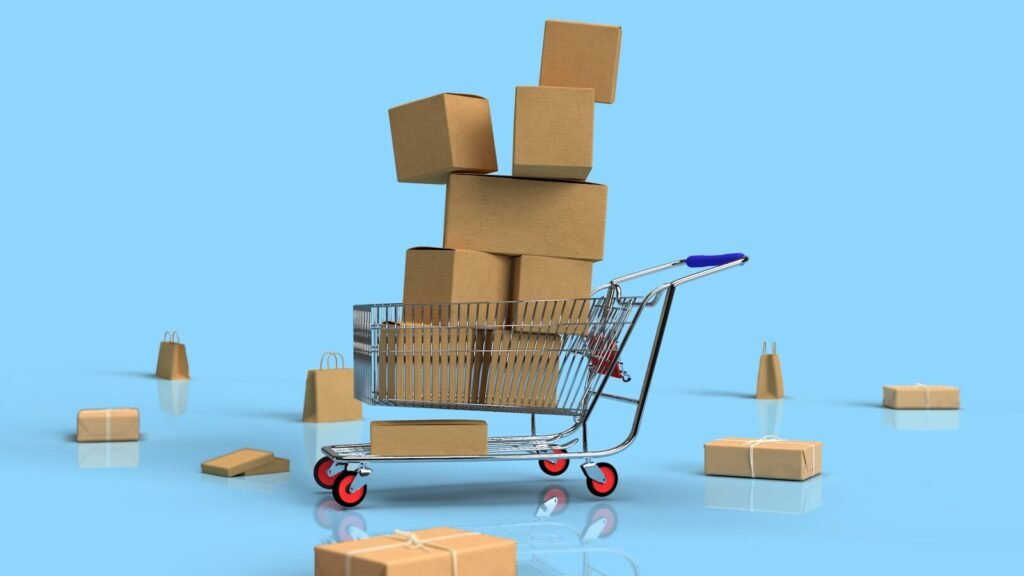
However, behind the seamless interface and the promise of rapid delivery lies a complex, often invisible supply chain. The ease of online shopping masks a significant environmental toll. From the materials used to wrap your purchase to the vehicles that deliver it, the carbon footprint of e-commerce is substantial.
Understanding this impact is not about inducing guilt; it is about gaining awareness. By examining the lifecycle of an online order, we can identify where the waste occurs and, more importantly, how to mitigate it.
The Hidden Carbon Footprint of E-Commerce
When we think of pollution, we often imagine smokestacks or exhaust pipes. In e-commerce, the pollution is distributed across a vast network of warehouses, trucks, and packaging facilities.
Packaging Waste: More Than Just Cardboard
The first visible sign of online shopping’s environmental cost is the pile of boxes in the hallway. E-commerce requires significantly more packaging than traditional retail. In a physical store, items are often displayed in bulk, and customers carry them home in reusable bags or minimal wrapping. In contrast, every item shipped individually requires protection against the rigors of transit.
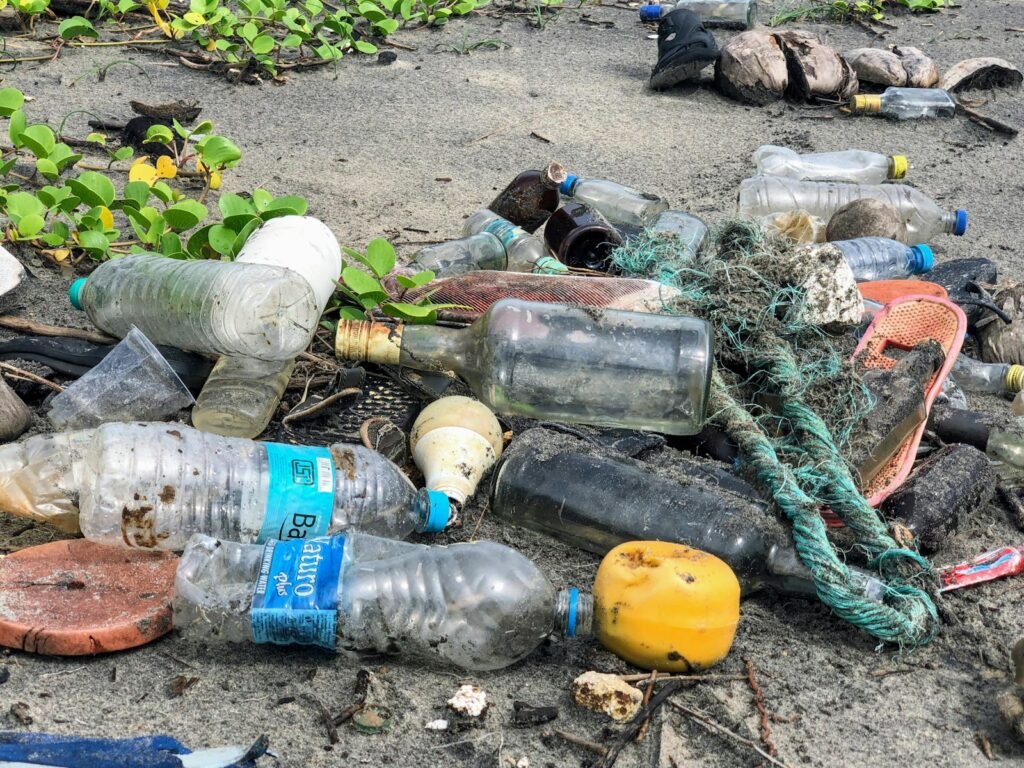
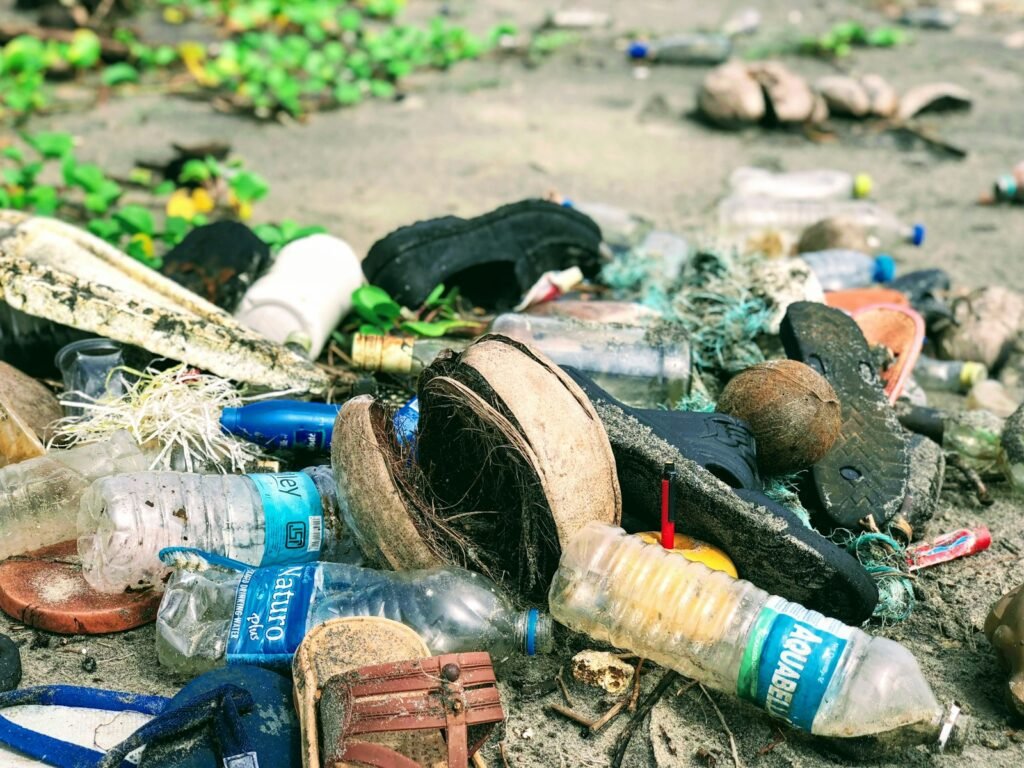
This leads to a phenomenon known as “over-packaging.” A small item might be wrapped in bubble wrap, placed in a box, sealed with plastic tape, and then placed in a larger shipping envelope to ensure it survives the journey. While cardboard is recyclable, the sheer volume of waste generated is overwhelming. Furthermore, the plastic components—tape, air pillows, and poly mailers—are often made from virgin plastics that take centuries to decompose.
The Last Mile Problem
The most carbon-intensive leg of the delivery journey is the “last mile.” This refers to the final step of the delivery process, from a distribution center to the customer’s doorstep.
In traditional retail, goods are delivered to stores in large, consolidated trucks. These trucks are filled to capacity, maximizing efficiency. In e-commerce, however, delivery vans must make hundreds of individual stops. These vehicles often idle in traffic, wait for customers to answer the door, and navigate residential streets that are not optimized for heavy freight.
When you choose expedited shipping, this inefficiency compounds. To meet next-day or same-day deadlines, companies may dispatch trucks that are not fully loaded, or they may utilize air freight for items that could have been shipped by sea or land. Air freight emits up to fifty times more carbon dioxide than sea freight, drastically increasing the environmental cost of a simple pair of socks or a book.
The Reverse Logistics Trap
Perhaps the most overlooked aspect of online shopping is the return. The convenience of free returns has created a culture of impulsive purchasing. Consumers often order multiple sizes or colors, intending to keep only one, while returning the rest.
The High Cost of Returns
The return rate for online fashion and apparel is significantly higher than in physical stores. For many retailers, this is a necessary cost of doing business. However, the environmental impact of these returns is severe.
When an item is returned, it must be shipped back to a warehouse. This is essentially a round-trip journey that generates double the emissions of the original delivery. Once the item arrives back at the facility, the next step is determined by its condition. If the item is damaged, stained, or simply no longer in the current season’s trend, it may not be restocked.
Where Do Returned Items Go?
Many consumers assume that returned items are inspected, repackaged, and resold. While this happens for high-value electronics or undamaged clothing, a significant portion of returns does not make it back to the shelves.
For fast fashion and lower-margin goods, the cost of processing, inspecting, and repackaging the item often exceeds its resale value. As a result, these items are often discarded. Some are sent to landfills, where they break down and release methane, a potent greenhouse gas. Others are incinerated to generate energy, releasing stored carbon back into the atmosphere.
There is also a growing market for “deadstock,” where returned or unsold goods are sold in bulk to other countries. These items often end up in landfills in developing nations, transferring the waste burden to communities least equipped to handle it.
The Paradox: Is Online Shopping Always Worse?
It is important to avoid oversimplifying the narrative. Online shopping is not inherently evil, nor is it always worse for the planet than traditional shopping. The environmental impact depends entirely on how it is done.
When Online Can Be Greener
There are scenarios where e-commerce offers a lower carbon footprint than brick-and-mortar shopping.
First, consider the commute. If you live in a rural area or a region with poor public transportation, driving to a shopping mall to buy a single item generates a significant amount of emissions. Ordering that same item online, especially if it is consolidated with other purchases, can result in a lower overall carbon footprint.
Second, buying in bulk is more efficient. Purchasing household supplies, books, or non-perishable goods in large quantities reduces the amount of packaging and shipping trips per item. It is also more efficient to buy items that you know you need and will use, rather than buying something on a whim and letting it sit unused in a closet.
When In-Store Can Be Greener
Conversely, shopping in person can be more sustainable in specific contexts. If you are buying an item you need immediately, driving to a local store eliminates the need for packaging and last-mile delivery entirely.
Furthermore, the ability to try on clothes in person reduces the likelihood of returns. By ensuring a proper fit before purchase, you prevent the carbon-intensive cycle of shipping, returning, and potentially discarding the item. Supporting local businesses also keeps money within the community and often involves shorter supply chains, reducing transportation emissions.
6 Practical Tips for Sustainable Online Shopping
We cannot eliminate the need for online shopping entirely in the modern world. However, we can shift our habits to minimize our impact. Here are six actionable strategies to make your digital consumption more eco-friendly.
1. Consolidate Your Orders
The most impactful change you can make is to stop thinking of online shopping as a series of individual transactions. Instead, view it as a monthly or weekly chore.
Wait for your other desired items to arrive at the same time. Choose “No Rush” shipping options whenever available. This allows logistics companies to fill their trucks more efficiently, reducing the number of trips required. Even a small delay in delivery can have a large positive impact on the environment.
2. Choose the Right Carrier
Not all shipping methods are created equal. When checking out, look for options that prioritize sustainability. Many carriers now offer carbon-neutral shipping choices or use electric vehicles for local deliveries.
While these options may sometimes cost slightly more, the price difference is often negligible compared to the environmental benefit. Look for retailers that partner with carriers committed to reducing their fleet emissions.
3. Rethink Returns
Before you hit “Buy,” ask yourself if you really need to order multiple sizes. Use size guides and customer reviews to make an informed decision. If you do receive an item that doesn’t fit, consider donating it locally or selling it on a resale platform rather than returning it.
If you must return an item, check the retailer’s return policy. Some companies offer free drop-off locations, which can be more efficient than scheduling a pickup. Always pack the item securely to prevent damage, which could lead to it being discarded.
4. Recycle Packaging Properly
Once the item is unpacked, deal with the waste responsibly. Flatten all cardboard boxes to save space in your recycling bin. Remove any plastic tape, labels, or Styrofoam inserts, as these often contaminate the recycling stream.
Look for local recycling programs that accept poly mailers and plastic bubble wrap. Many grocery stores and retail locations have drop-off bins for plastic film recycling. Do not assume that all packaging is recyclable in your curbside bin; when in doubt, check your local guidelines.
5. Shop Second-Hand Online
One of the most sustainable ways to shop online is to buy used. The fashion and furniture industries are among the largest polluters on the planet. By purchasing pre-owned items, you extend the life of products that have already been made, avoiding the need for new resources and manufacturing emissions.
Numerous online platforms facilitate the resale of clothing, electronics, and home goods. These markets allow you to find unique items while keeping them out of landfills.
6. Support Sustainable Brands
Do your research before you buy. Look for brands that are transparent about their supply chains. Certifications such as B-Corp, Fair Trade, or GOTS (Global Organic Textile Standard) indicate that a company meets rigorous social and environmental standards.
Support brands that use plastic-free packaging, recycled materials, or innovative shipping methods. Your purchasing power sends a signal to the market. When you reward sustainable practices, you encourage more companies to adopt them.
Moving Forward with Intention
The environmental impact of online shopping is a collective challenge that requires individual awareness. We cannot fix the entire supply chain alone, but we can change our behavior within it.
By consolidating orders, reducing returns, and recycling properly, we can significantly lower our personal carbon footprint. The goal is not to stop shopping online, but to shop with intention. Every click is a vote for the kind of world we want to live in. Let us vote for a future where convenience does not come at the expense of the planet.