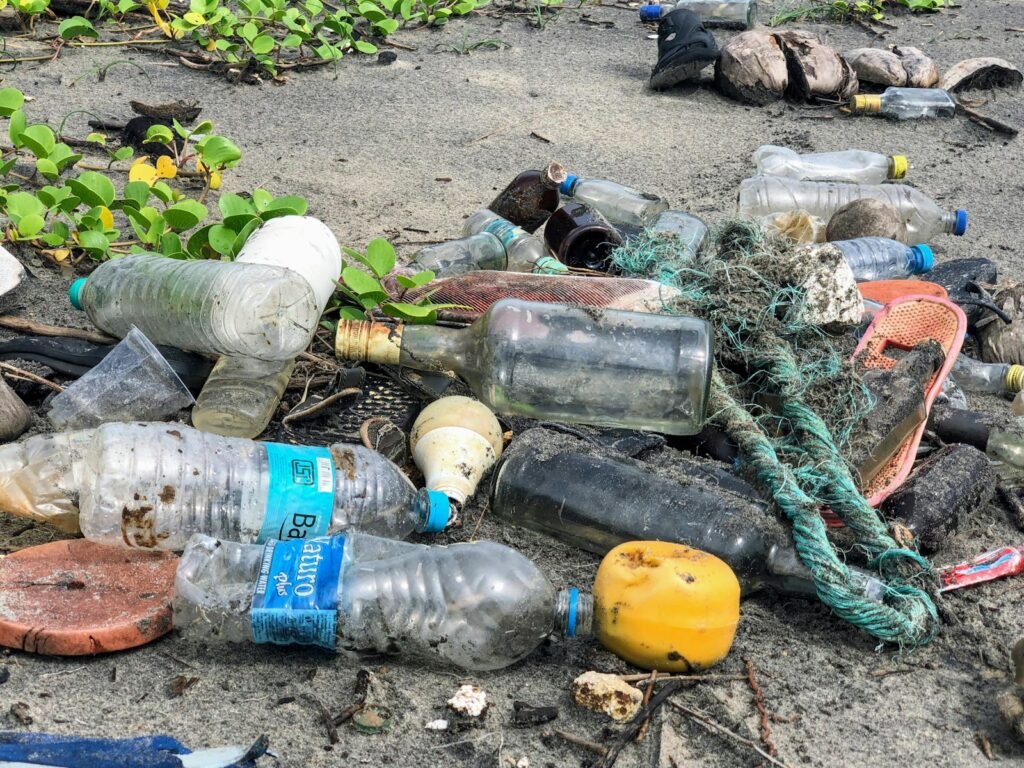
Gathering with loved ones is one of life’s greatest joys. It is a moment to celebrate, connect, and create memories. However, for many hosts, there is often an undercurrent of guilt that follows the celebration. The mountain of single-use plastics, the half-eaten buffet, the energy spent heating or cooling a space for a few hours—these remnants of hospitality can feel at odds with our values.

Hosting an eco-friendly event does not mean sacrificing style, comfort, or fun. It simply means being intentional. It is about shifting the focus from the ephemeral nature of disposable items to the lasting impact of our choices. By making strategic decisions before, during, and after your gathering, you can host a memorable celebration that honors both your guests and the planet.
Here is a comprehensive guide to planning a sustainable party that leaves a positive footprint.
Plan with Purpose: The Foundation of Sustainability
The sustainability of an event is largely determined before the first guest arrives. The choices made during the planning phase set the tone for the entire experience and often have the highest impact on reducing waste.
Send Digital Invitations
The first step in reducing your environmental footprint is eliminating paper waste. Traditional invitations require paper, ink, packaging, and transportation. Digital invitations offer a zero-waste alternative that is equally elegant and functional.
Many platforms allow you to create visually stunning invites with RSVP tracking, maps, and dietary requirement forms. Beyond the environmental benefit, digital invites reduce the stress of mailing and tracking responses. To set the tone for your eco-conscious event, consider including a note about your sustainability goals in the invitation. For example, you might mention that the event is plastic-free or encourage guests to carpool. This transparency helps guests align their expectations and participate in your vision from the start.
Choose a Sustainable Venue
Where you hold your event significantly influences its carbon footprint. If you are hosting indoors, consider venues with large windows that maximize natural light, reducing the need for artificial lighting during the day. If the weather permits, an outdoor setting can be a beautiful, low-energy option.
Accessibility is another crucial factor. Choose a location that is easily reachable by public transportation, walking, or biking. Provide clear instructions on how to get there using these methods. If driving is necessary, encourage carpooling by creating a shared ride board or simply asking guests to coordinate with neighbors. Choosing a local venue also supports the local economy and reduces the travel emissions associated with guests driving from far away.
Set Clear Expectations
Guests want to help, but they often don’t know how. Clear communication is key to ensuring your sustainability efforts are successful. In your invitations or follow-up emails, specify what you are providing and what you are asking guests to bring.
For instance, you might request that guests bring their own reusable water bottles or coffee cups. You can also clarify your waste management strategy. Letting guests know that you have composting and recycling stations in place encourages them to sort their waste correctly. When guests feel like active participants in the event’s values rather than just observers, they are more likely to engage with the eco-friendly practices you’ve implemented.
Decorate with Intention: Less Waste, More Style
Decorations are often the most visible aspect of a party, but they are also a major source of waste. The goal is to create an atmosphere that feels special without relying on items that will be thrown away hours later.
Ditch Single-Use Decorations
Balloons and confetti are party staples, but they pose significant environmental threats. Latex balloons, even when marketed as “biodegradable,” can take years to break down and often harm wildlife if ingested. Plastic confetti creates microplastic pollution that is nearly impossible to clean up. Instead, opt for reusable decorations that can be stored and used again.
Fabric bunting, paper lanterns, or reusable banners are excellent alternatives. These items can add color and texture to a space and can be stored after the event for future use. If you want to incorporate greenery, choose potted plants or cut flowers that can be composted or replanted. Avoid floral foam, which is made from plastic and does not break down; use natural supports like chicken wire or moss to arrange bouquets instead.
Use Natural & Biodegradable Elements
Nature provides some of the most beautiful and sustainable decor options. Use locally sourced, seasonal flowers or foraged greenery like ferns, eucalyptus, or branches. These elements not only reduce the carbon footprint associated with transporting exotic blooms but also add a fresh, organic feel to your event.
Lighting can also be made more sustainable. Use LED candles, which last longer and use less energy than traditional candles, or solar-powered string lights for outdoor events. If you must use battery-operated lights, ensure the batteries are rechargeable. The key is to choose materials that return to the earth safely or that can be reused many times.
Rent or Borrow Instead of Buying
One of the most effective ways to reduce waste is to avoid buying items that will sit in your closet after the event. Renting furniture, linens, glassware, and serving dishes is a sustainable practice that saves money and resources. Many rental companies offer high-quality items that can be cleaned and reused for hundreds of events.
If renting isn’t an option, borrow from friends, family, or community groups. You might be surprised by how many people have unused party supplies gathering dust. Creating a “decor swap” with other eco-conscious hosts can also be a fun way to refresh your supplies without spending money or creating new waste.
Serve Sustainable Food & Drinks
Food and drink are central to any gathering, but the environmental impact of catering can be substantial. By making mindful choices about what you serve and how you serve it, you can significantly reduce your event’s impact.
Plan a Menu with Low Environmental Impact
The production of meat and dairy products generally has a higher carbon footprint than plant-based foods. Consider designing a menu that is predominantly plant-based. This doesn’t mean every dish must be vegetarian, but shifting the balance toward vegetables, legumes, and grains can make a big difference.
Source ingredients that are local and seasonal. Produce that travels shorter distances requires less fuel for transportation and is often fresher and more flavorful. Support local farmers’ markets or community-supported agriculture (CSA) programs. When possible, choose organic produce to support farming practices that protect soil health and biodiversity.
Minimize Food Waste
Food waste is a major contributor to greenhouse gas emissions. To minimize waste, plan your portions carefully. It is better to have slightly less food available than to have large amounts thrown out. Buffet-style service can help guests take only what they will eat, reducing plate waste.
Label your dishes clearly with ingredients to help guests with dietary restrictions make informed choices. More importantly, prepare for leftovers. Have reusable containers ready for guests to take food home. If you have excess non-perishable items, donate them to a local food bank before the event. If you have perishable leftovers, arrange for them to be composted or shared with friends.
Choose Eco-Friendly Beverages
Bottled water is one of the most common sources of waste at events. Instead, offer filtered tap water in large glass pitchers or dispensers. You can enhance the water with slices of lemon, cucumber, or mint for a refreshing touch. If you are serving alcohol, avoid single-use plastic cups and stirrers. Use real glassware or certified compostable cups made from materials like bamboo or palm leaf.
For cocktails or mixed drinks, use natural sweeteners and fresh juices rather than pre-mixed syrups in plastic packaging. Encourage guests to bring their own reusable bottles or glasses if appropriate. Remember, the most sustainable cup is the one you already own.
The Cleanup: Closing the Loop
The end of the party is not the end of the responsibility. How you manage waste during and after the event determines the success of your eco-friendly efforts.
Set Up Clear Recycling & Composting Stations
Confusion leads to contamination. If guests aren’t sure where to put their trash, they will default to the landfill bin. Set up clearly labeled stations for compost, recycling, and landfill waste. Use large, distinct bins and sign them with simple, visual icons.
Explain what goes in each bin. For example, the compost bin should include food scraps, napkins, and compostable utensils. The recycling bin should hold clean paper, cardboard, and metal. The landfill bin is for anything that cannot be recycled or composted. If you have a large event, consider hiring a professional waste management service that separates materials for you.
Encourage Guest Participation
Make waste reduction a fun and interactive part of the event. You can ask guests to bring a reusable item, such as a plate or utensil, if you are hosting a casual potluck. For a more formal event, you might offer a small prize or recognition for guests who demonstrate eco-friendly behaviors, such as bringing a reusable water bottle.
Create a “bring your own bottle” policy for alcohol if appropriate for the venue. This not only reduces waste but also encourages guests to engage with the sustainability theme. When guests see others participating, they are more likely to follow suit.
Donate or Repurpose Leftovers
Once the event is over, deal with the remaining items responsibly. Donate unused non-perishable food to local shelters or food banks. Give away potted plants or unused decor to guests or community centers. Compost any remaining food scraps and yard waste.
If you have rented items, ensure they are returned promptly so they can be reused by others. By closing the loop on your event, you ensure that your hospitality leaves a positive legacy rather than a pile of trash.
Measure Your Impact & Share Your Success
Hosting an eco-friendly party is a learning process. Track what worked and what didn’t for future reference. Note which decorations were popular, which food items were most appreciated, and which waste bins were used most heavily. This data will help you refine your approach for future events.
Share your experience with others. Post about your sustainable choices on social media, tagging the local suppliers or brands you used. Inspire your friends to try one new eco-tip at their next gathering. By normalizing sustainable hosting, you contribute to a broader cultural shift toward responsible living.
Embrace the Journey Toward Greener Celebrations
Hosting an eco-friendly party is not about achieving perfection. It is about making conscious choices that align with your values. Every small step—whether it is sending a digital invite, serving local food, or setting up a compost bin—contributes to a larger movement toward sustainability.
When you prioritize the planet in your celebrations, you create a deeper sense of connection with your guests and your community. You show that hospitality and environmental stewardship can coexist beautifully. So, plan your next gathering with intention, and enjoy the satisfaction of a celebration that feels good on the inside and out.
What is one eco-friendly change you will make at your next party? Share your ideas in the comments below, and let’s inspire each other to create greener, happier gatherings.