Walk into any major metropolitan area during the height of summer, and the contrast is immediate. One moment, you are surrounded by the relentless glare of asphalt and the stagnant heat radiating from concrete buildings. The next, you step through the gates of a local park, and the air shifts. The temperature drops. The noise of traffic fades into a background hum, replaced by the rustle of leaves and the chirping of birds. This sensory shift is not merely a luxury; it is a physiological necessity.
As urbanization accelerates globally, the integration of green infrastructure into city planning has moved from an aesthetic consideration to a critical component of public health and environmental resilience. Green spaces are no longer just patches of grass between skyscrapers; they are the lungs, kidneys, and social hearts of sustainable societies. Understanding their multifaceted role is essential for anyone committed to living sustainably in an urban environment.
Beyond Aesthetics: The Environmental Engine
The environmental benefits of urban greenery are profound and measurable. In densely populated areas, nature acts as a natural regulator, mitigating the harsh impacts of concrete jungle life.
Combating the Urban Heat Island Effect
Cities are significantly warmer than their rural surroundings. This phenomenon, known as the Urban Heat Island (UHI) effect, occurs because materials like asphalt and concrete absorb and retain solar radiation. During heatwaves, this can make cities dangerously hot, increasing energy demand for cooling and posing severe health risks to vulnerable populations.
Vegetation combats this through two primary mechanisms: shade and evapotranspiration. Trees provide direct shade, blocking solar radiation from hitting surfaces. Simultaneously, plants release water vapor into the air through their leaves, a process that cools the surrounding environment. Studies consistently show that neighborhoods with high tree canopy cover can be several degrees cooler than those without, reducing the need for air conditioning and lowering overall carbon emissions.
Air Quality and Carbon Sequestration
Urban air quality is often compromised by vehicle emissions and industrial activity. While trees cannot solve pollution entirely, they are powerful allies in the fight for cleaner air. Leafy surfaces trap particulate matter, filtering out dust and pollutants before they are inhaled by residents. Furthermore, trees act as carbon sinks, absorbing carbon dioxide from the atmosphere and storing it in their biomass and the soil.
However, the effectiveness of urban trees depends on species selection. Native trees adapted to local climates require less water and maintenance, making them more sustainable long-term investments than exotic ornamental species that may struggle in urban stress conditions.
Water Management and Flood Prevention
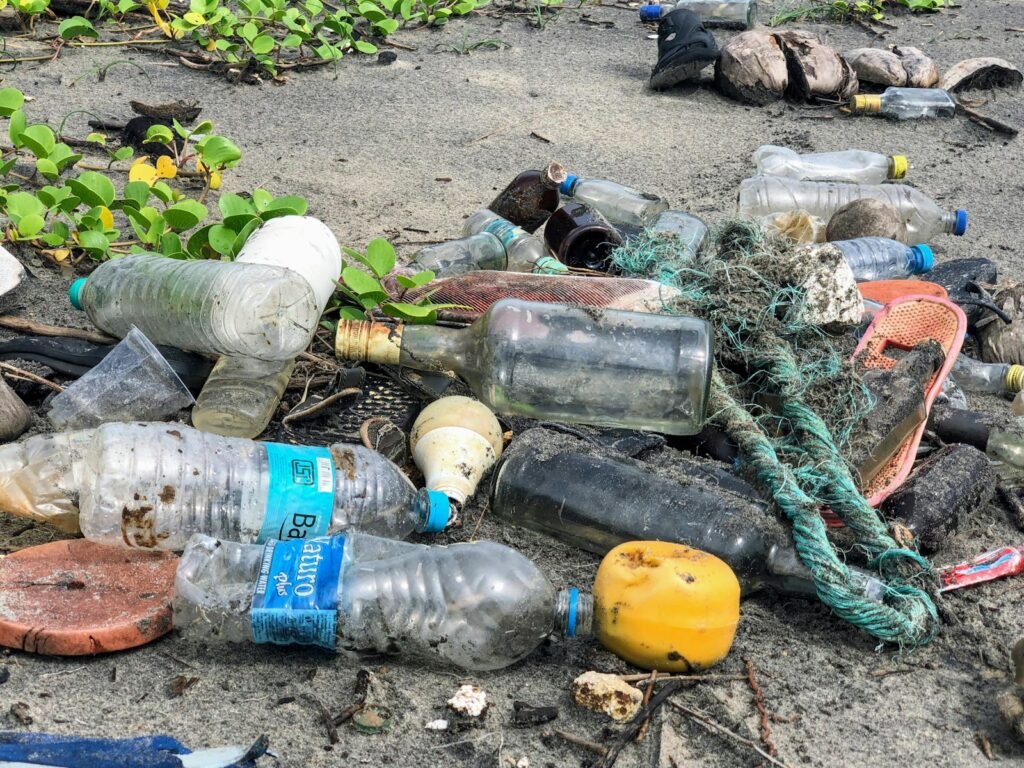
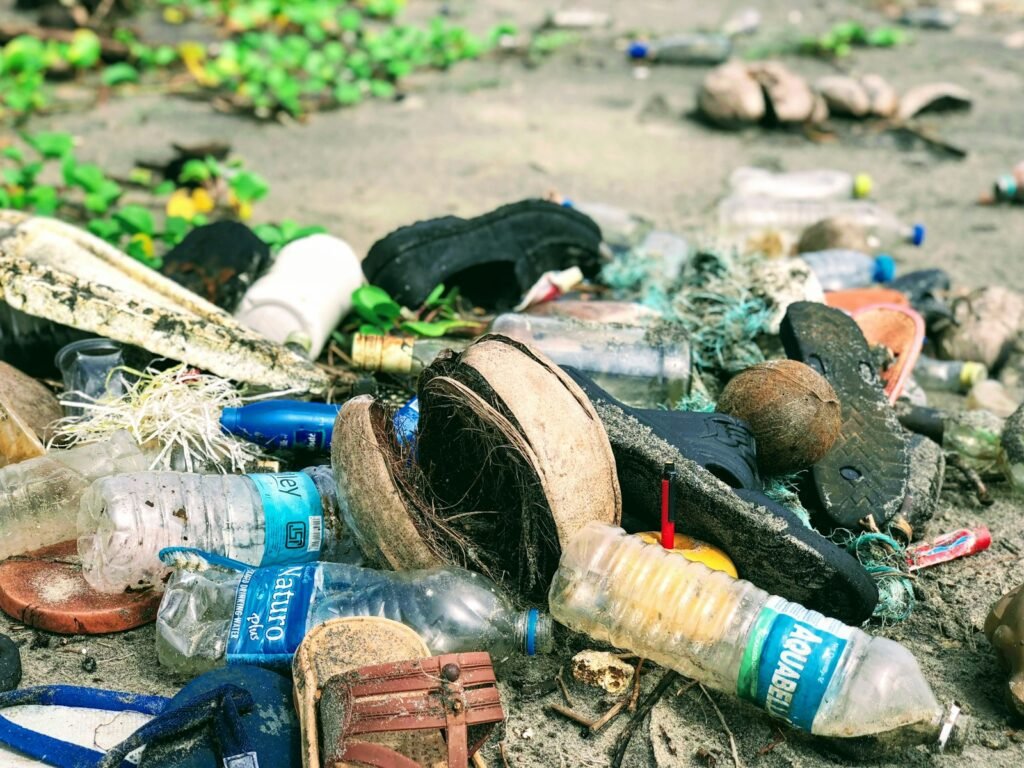
Impervious surfaces like roads and rooftops prevent rainwater from soaking into the ground. Instead, this water rushes into storm drains, often carrying oil, trash, and chemicals into local waterways. This rapid runoff can overwhelm sewage systems, leading to overflow and localized flooding.
Green spaces function as natural sponges. The root systems of plants create porous soil that absorbs rainwater, allowing it to percolate into groundwater reserves rather than rushing into storm drains. Green roofs, bioswales, and permeable pavements in parks can capture significant volumes of stormwater, reducing the strain on municipal infrastructure and preventing downstream pollution.
The Social Fabric: Building Community Resilience
Sustainability is not just about the environment; it is also about social equity and community cohesion. Green spaces serve as vital “third spaces”—places that are neither home nor work—where community bonds are formed and strengthened.
Equity and Access
Access to nature is a determinant of health, yet it is often distributed unequally. Historically, low-income neighborhoods and communities of color have had less access to high-quality green spaces. This disparity contributes to health inequalities, as residents in these areas face higher rates of heat-related illness and lower levels of physical activity.
A truly sustainable society prioritizes equitable access. This means ensuring that every resident, regardless of their zip code, has a safe, well-maintained park or garden within a short walk. Equitable green infrastructure planning involves engaging local communities in the design and maintenance of these spaces, ensuring they meet the specific needs and cultural preferences of the neighborhood.
Civic Engagement and Stewardship
Green spaces foster a sense of ownership and pride among residents. Community gardens, urban farms, and neighborhood tree-planting initiatives encourage civic engagement. When people work together to cultivate a shared space, they build trust and social capital. This sense of stewardship extends beyond the park; residents who care for their local green spaces are more likely to participate in other community activities and advocate for broader environmental policies.
Health and Well-being: The Human Element
The connection between nature and human health is well-documented. In an era of increasing urban stress, green spaces offer a vital refuge for mental and physical well-being.
Mental Health Benefits
Chronic stress is a pervasive issue in modern life, linked to anxiety, depression, and cardiovascular disease. Exposure to natural environments has been shown to lower cortisol levels, reduce blood pressure, and improve mood. The concept of “attention restoration theory” suggests that nature allows the brain to recover from the fatigue caused by constant stimulation and focus. Even brief exposures to green spaces can improve cognitive function and emotional regulation.
Physical Health and Active Lifestyles
Green spaces encourage physical activity. Parks provide safe areas for walking, jogging, cycling, and playing sports. Regular physical activity is crucial for preventing chronic diseases such as obesity, diabetes, and heart disease. Furthermore, access to green space is linked to better sleep quality and stronger immune systems. For children, unstructured play in natural environments supports developmental milestones and creativity.
Challenges and Solutions: Making it Happen
Despite the clear benefits, implementing and maintaining urban green infrastructure presents challenges. Limited space, funding constraints, and maintenance requirements can hinder progress.
Maximizing Limited Space
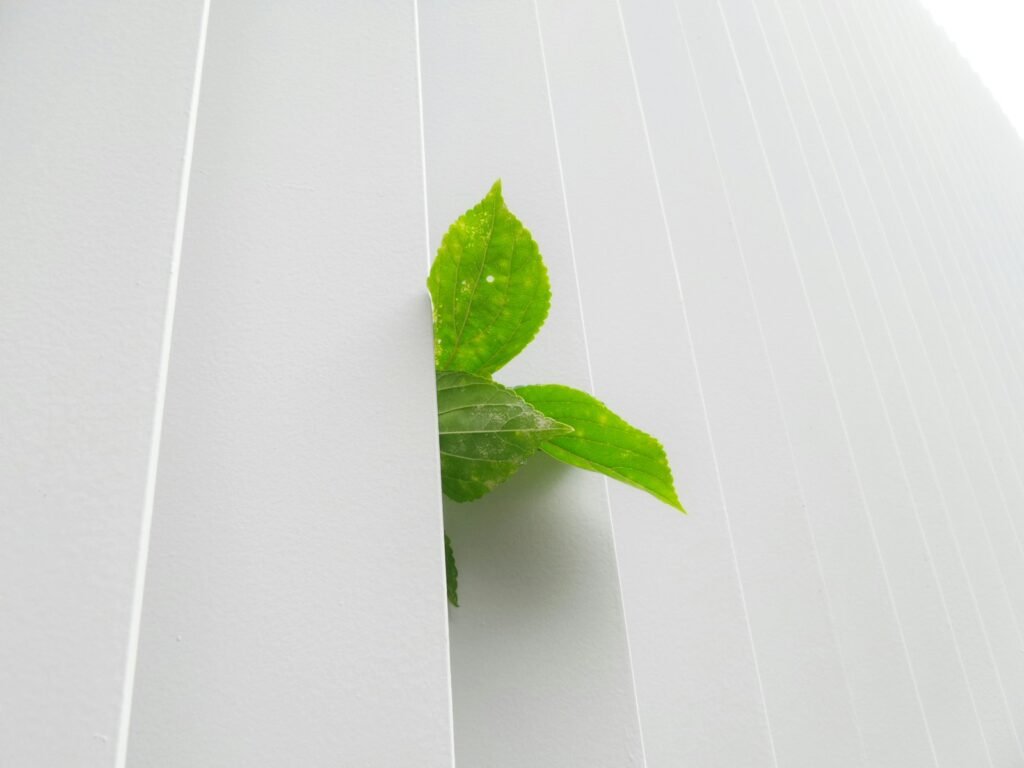
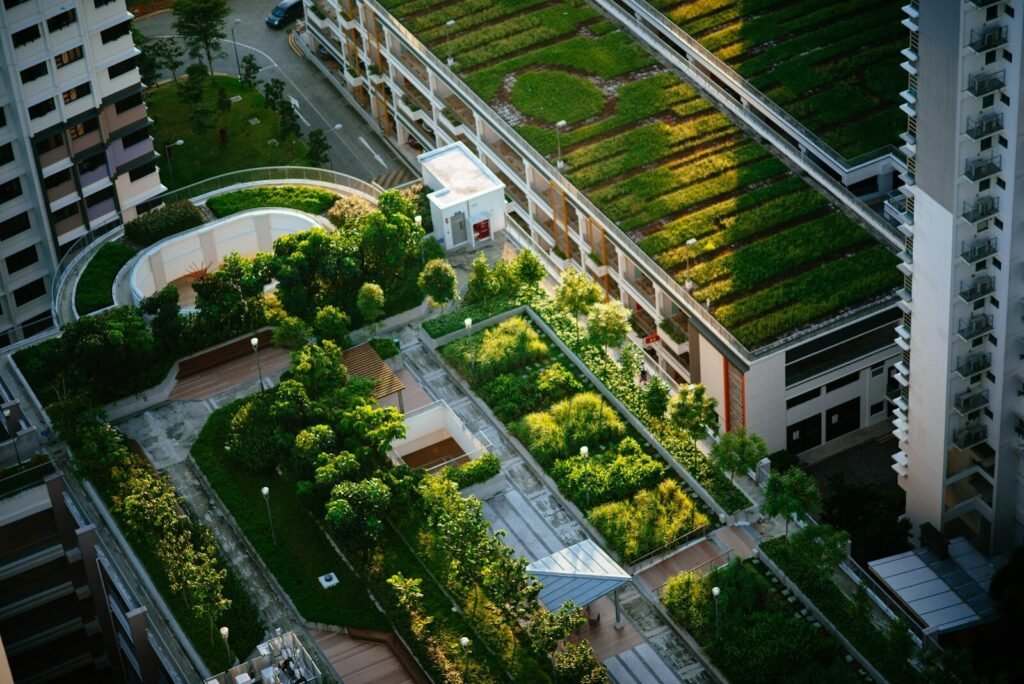
In dense cities, ground space is scarce. However, this does not mean green space is impossible. Innovations in vertical gardening, rooftop terraces, and pocket parks allow for the integration of nature into the built environment at every level. Facades covered in vegetation not only add greenery but also provide insulation for buildings, reducing energy use. Small, distributed green spaces can have a cumulative impact on air quality and heat mitigation, often reaching more residents than a single large park.
Sustainable Maintenance Models
Traditional park maintenance can be resource-intensive, requiring excessive water, fertilizers, and labor. Sustainable urban forestry emphasizes low-input landscaping. This includes using native, drought-tolerant plants that require less water and no chemical pesticides. Mulching with organic materials helps retain soil moisture and suppress weeds. Furthermore, engaging volunteers in maintenance programs can reduce costs while fostering community connection.
Policy and Planning Integration
Green infrastructure must be integrated into city planning from the outset, not added as an afterthought. Zoning laws should require new developments to include green space or green roofs. Building codes can incentivize green construction through tax breaks or density bonuses. Policymakers must view green infrastructure as essential public utility, comparable to roads and water systems, warranting consistent funding and protection.
Actionable Steps: How You Can Contribute
Sustainability is a collective effort, but it starts with individual actions. Whether you live in a high-rise apartment or a suburban house, you can contribute to the urban green fabric.
For Individuals
- Create Micro-Green Spaces: If you have a balcony, windowsill, or yard, plant native species that support local pollinators. Even a few pots of herbs or flowers can contribute to biodiversity.
- Conserve Water: Install rain barrels to collect rainwater for your plants. Use drought-tolerant plants to reduce irrigation needs.
- Support Local Green Initiatives: Volunteer with local tree-planting groups or community gardens. Your time and energy are valuable resources.
For Homeowners and Renters
- Advocate for Green Policies: Attend town hall meetings and support proposals for increased green space and sustainable urban planning.
- Choose Sustainable Landscaping: Replace water-thirsty lawns with native ground covers or permeable paving. This reduces runoff and maintenance efforts.
- Protect Existing Trees: If you have mature trees, protect them from construction damage. Trees take decades to grow but minutes to destroy.
For Communities
- Form a Green Team: Organize neighbors to clean up local parks or plant street trees. Collective action amplifies impact.
- Promote Green Equity: Advocate for green space improvements in underserved neighborhoods. Ensure that planning processes are inclusive and accessible.
Reimagining the Urban Landscape
The future of our cities depends on our ability to harmonize development with nature. Green spaces are not peripheral decorations; they are fundamental infrastructure that supports life, health, and community. By recognizing the value of trees, parks, and gardens, we can build cities that are not only sustainable but also livable, equitable, and resilient.
The transition to a green urban future requires commitment from individuals, communities, and policymakers alike. It demands a shift in perspective, viewing nature not as something to be conquered, but as a partner in our daily lives. Every tree planted, every park protected, and every green policy advocated for brings us closer to a sustainable society.
Start where you are. Look at your immediate environment. What green spaces do you have? How can you enhance them? How can you advocate for more? The path to sustainability is paved with small, consistent actions. Together, these actions can transform our concrete jungles into thriving, living ecosystems.